
Where to Stay in Cape Town: Best Neighborhoods & Hotels for Your South Africa Adventure
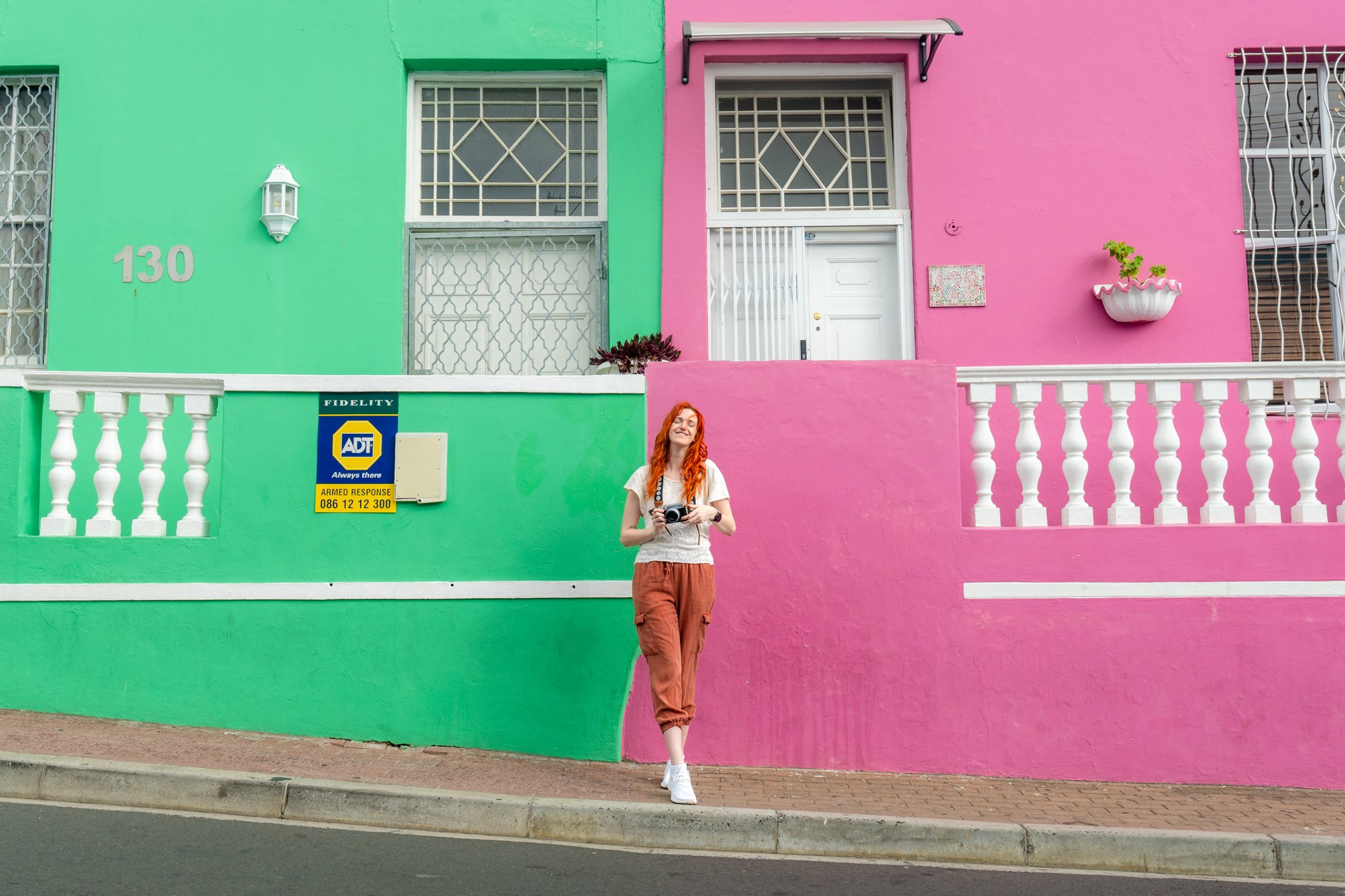
Not sure where to stay in Cape Town? I’m breaking down the best neighborhoods & hotels at every budget for your South Africa Trip!
Let me just say this upfront: Cape Town might be the most beautiful city on Earth. But when you’re standing on top of Table Mountain watching the clouds roll in over the Atlantic Ocean, or catching a sunset over Camps Bay — it’s hard to argue otherwise. The wine country is amazing, the food is incredible, and the hiking is UNREAL. Cape Town has been on my bucket list for years, and when I finally made it happen, it completely blew me away.
But here’s the thing: figuring out where to stay in Cape Town can feel overwhelming. The city is bigger than most people expect, each neighborhood has a totally different vibe, and the range of accommodation — from backpacker hostels to jaw-dropping clifftop luxury villas — is honestly staggering. Trust me, I spent HOURS researching before my trip, and I still had questions.
That’s why I wrote this guide. Whether you’re planning a solo adventure, a romantic escape, or a family holiday in South Africa, I’m breaking down everything you need to know — the best neighborhoods, my favorite hotels at every budget, and all my top tips for making the most of this extraordinary city. Let’s get into it!
Disclaimer: This blog post may contain affiliate links, which means I get a small commission if you click the link and make a purchase – at no extra cost to you! I only share things I genuinely love and think my audience would love too! This is one of the ways I’m able to keep making these free resources and guides for you. Thank you so much for your continued support! Learn more about my affiliate policy here.
What to Know Before Visiting
Cape Town, South Africa
✈️ Nearest Airport | Cape Town International Airport (CPT) |
🌍 Country | South Africa |
💰 Currency | South African Rand (ZAR) |
🗣️ Language | Afrikaans, English, Xhosa (+ 8 others) |
🕐 Time Zone | SAST – UTC+2 |
🌤️ Best Time to Visit | November – March (Southern Hemisphere summer) |
🛫 Flight Time from US | ~14–19 hours (direct or with connection) |
🌐 Visa | Many nationalities get 90 days visa-free (USA visa-free) |

Where is Cape Town?
Cape Town is located on the southwestern tip of South Africa, nestled between the iconic Table Mountain and the Atlantic and Indian Oceans. It’s the legislative capital of South Africa and the country’s second-largest city. Geographically, it’s one of the most dramatic urban settings you’ll ever encounter — mountains, ocean, vineyards, and Cape Point all within easy reach.
When to Visit Cape Town
The best time to visit Cape Town is during the Southern Hemisphere summer — roughly November through March. The weather is warm and sunny, the days are long, and the beaches are absolutely gorgeous. January and February are peak summer season and can get quite hot (30°C/86°F), which is perfect if you want to spend time on the water.
That said, Cape Town is genuinely a year-round destination. If you visit in the shoulder months of April, May, or October, you’ll get fewer crowds, lower prices, and still-beautiful weather. Winter (June–August) is the rainy season, but even then the city is stunning — and the wine regions are incredible. My top tip? Avoid visiting in June and July if you’re specifically coming for the beaches and outdoor activities.
How Long to Visit Cape Town
I’d recommend a MINIMUM of five to seven days in Cape Town — and honestly, I’d push for ten if you can swing it. There is SO much to do: Table Mountain, the Cape Peninsula, the Cape Winelands, Boulders Beach Penguin Colony, Robben Island, the V&A Waterfront, incredible restaurants and markets… the list goes on. I ended up staying ten days and still felt like I didn’t scratch the surface. If you’re combining Cape Town with a safari in Kruger National Park or the Garden Route, budget for at least two weeks in South Africa overall.
How to Get to Cape Town
From the airport, you can take a metered taxi, Uber, or a pre-booked shuttle into the city. I personally always recommend pre-booking a transfer for arrival after a long international flight — it just takes the stress away when you’re exhausted and navigating a new city.
How to Get Around Cape Town
You also have the option of public transit: the MyCiTi Bus connects the city center, the V&A Waterfront, Sea Point, and the airport — it’s clean, reliable, and cheap. For exploring further afield (Cape Point, the Winelands, Boulders Beach), renting a car truly is the best option — just note that South Africans drive on the LEFT side of the road. Day tours from Cape Town are also a fantastic option if you’d rather not drive yourself.

Best Neighborhoods to Stay in Cape Town
One of the things that makes deciding where to stay in Cape Town so interesting — and admittedly a little tricky — is that the city’s neighborhoods each have their own distinct personality. Here’s my breakdown of the best areas to base yourself.
The City Bowl — Best for First-Time Visitors
The City Bowl is Cape Town’s historic center, sitting in the natural amphitheater below Table Mountain. This is where you’ll find Long Street — Cape Town’s most famous strip, packed with bars, restaurants, boutiques, and hostels — along with the colorful Bo-Kaap neighborhood, Cape Town’s cultural and culinary heart.
Staying in the City Bowl means you’re within walking distance of many of the city’s top attractions, and you’ll have easy access to Table Mountain, the Company’s Garden, and the museums.
It’s also one of the most affordable areas to stay in Cape Town, with a great range of budget hostels, boutique guesthouses, and stylish mid-range hotels. Do not miss wandering the streets of Bo-Kaap at golden hour — it’s one of the most photogenic neighborhoods I’ve ever visited.
V&A Waterfront — Best for Convenience
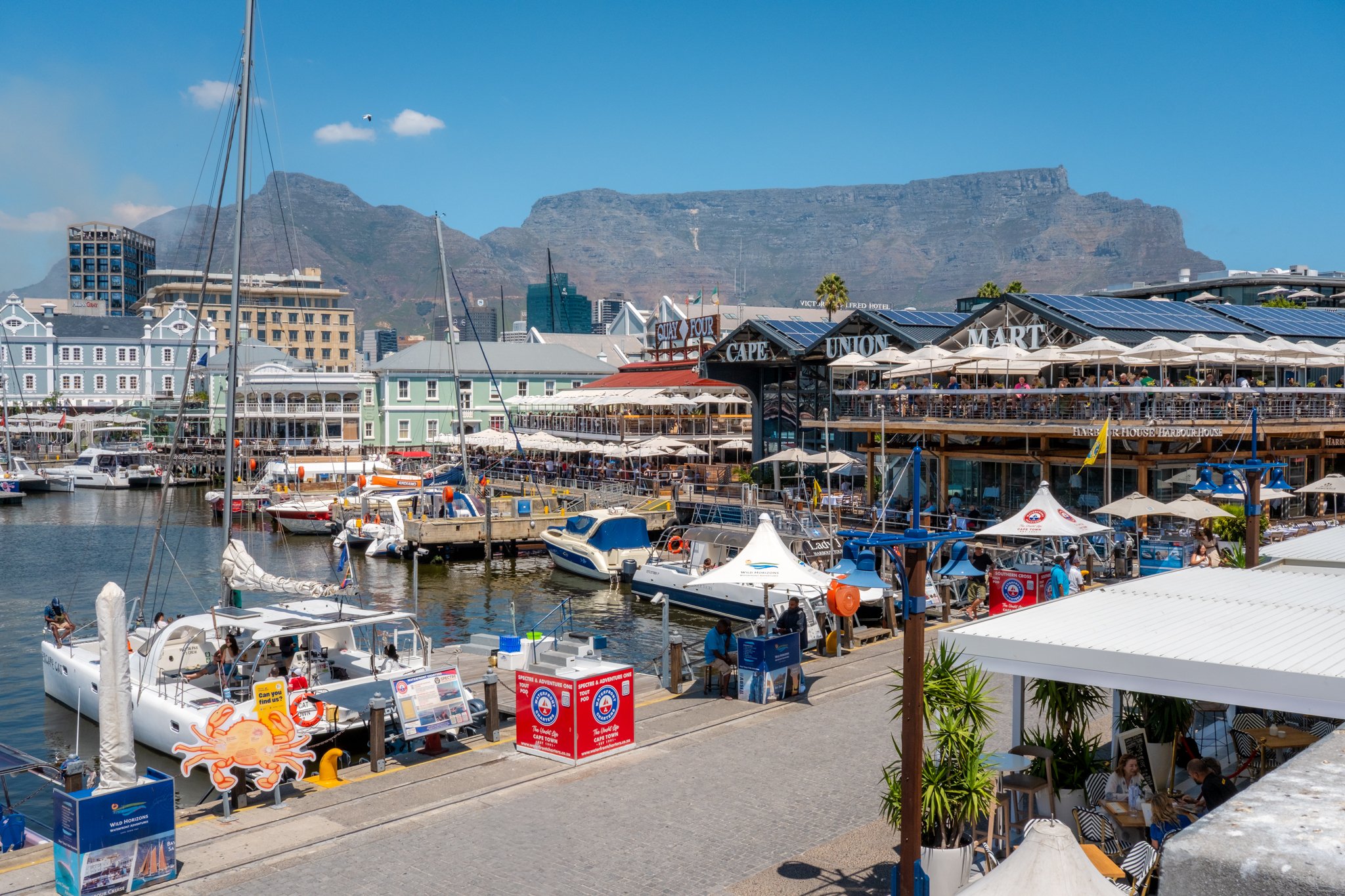
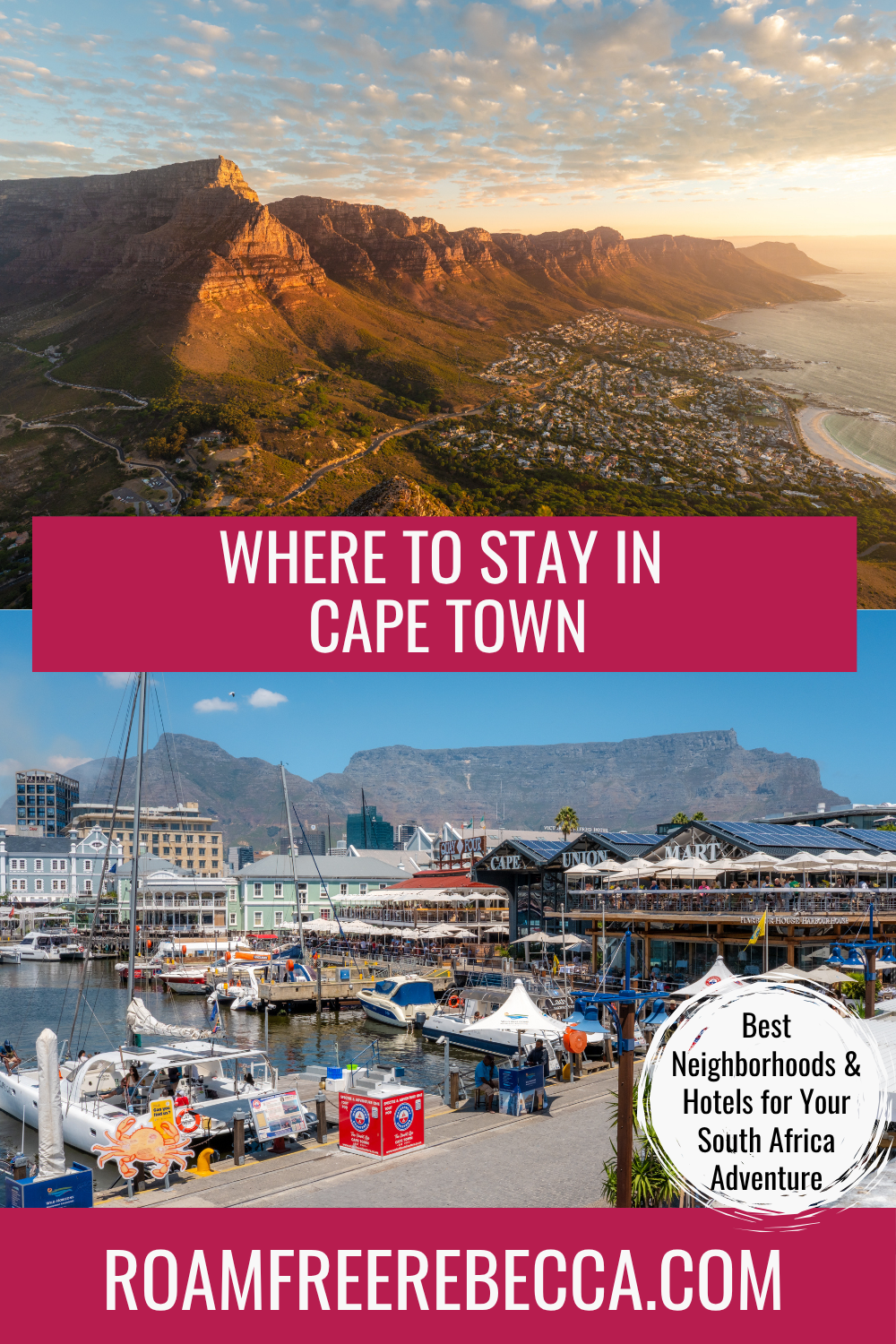
If you want everything at your fingertips, the V&A Waterfront is one of the best places to stay in Cape Town. It’s a beautifully redeveloped historic harbor area with world-class shopping, restaurants, the Two Oceans Aquarium, the Nobel Square, and the ferry to Robben Island — all within a short walk. It feels safe, well-maintained, and lively at all hours.
Hotels here tend to be on the pricier side, but the location and views are genuinely spectacular.
Sea Point — Best for a Local Feel
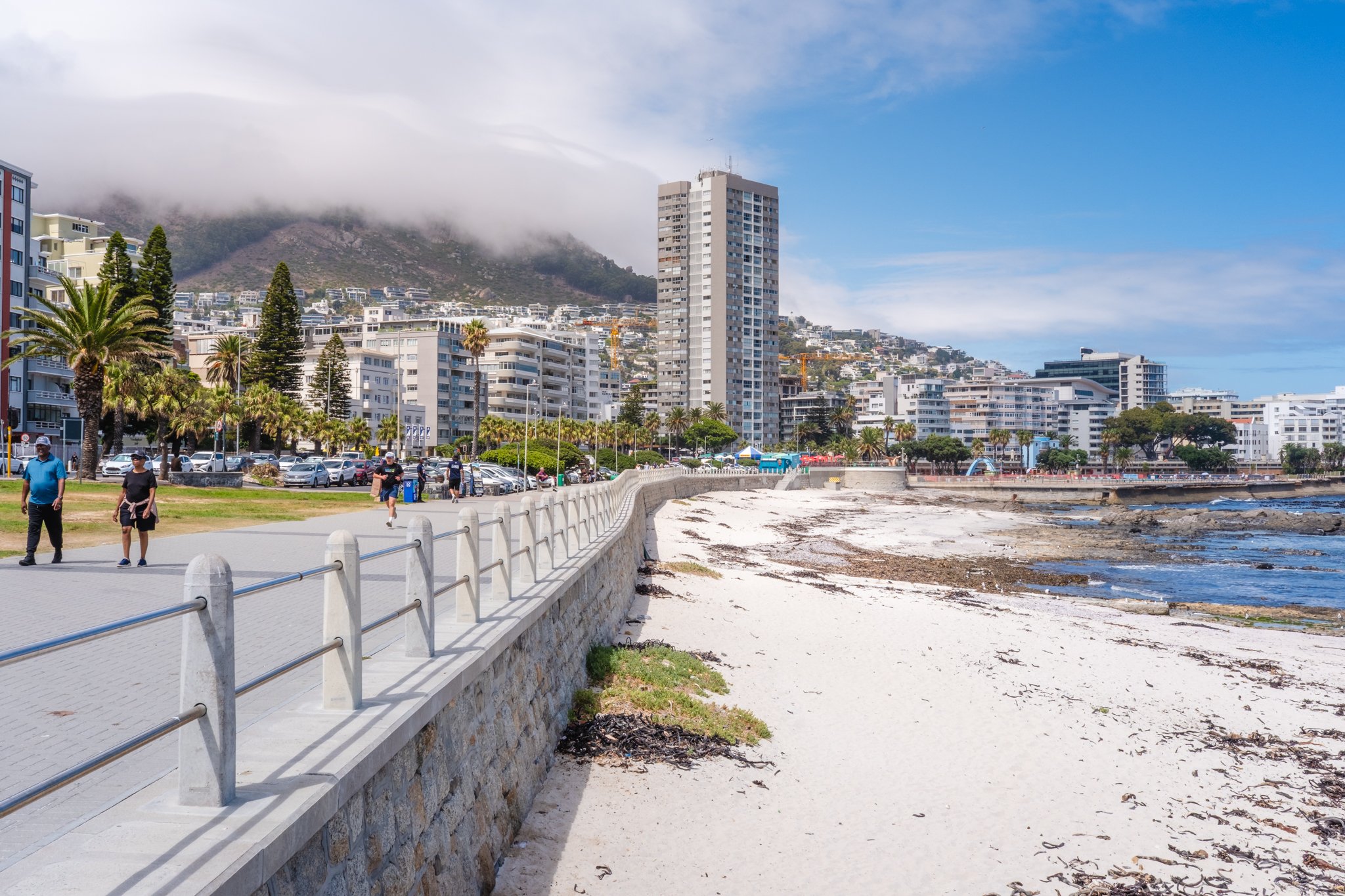
Sea Point is one of my personal favorite neighborhoods in Cape Town, and I think it’s criminally underrated by tourists. Sitting on the Atlantic Seaboard just north of Camps Bay, Sea Point is a lively, cosmopolitan suburb with an incredible restaurant scene, a gorgeous oceanfront promenade, and the famous Sea Point Pavilion (a huge outdoor pool right on the ocean). It has a much more local, lived-in feel than the more touristy areas — and accommodation tends to be better value.
I’d highly recommend Sea Point if you’re spending a week or more in Cape Town and want to feel like you’re actually living in the city rather than passing through it.
Camps Bay & Clifton — Best for Luxury & Views
If you want the absolute glamour of Cape Town, Camps Bay and Clifton are where to stay. These Atlantic Seaboard neighborhoods are STUNNING — white sandy beaches, turquoise water, palm-lined strips, and luxury villas clinging to the mountain (A DREAM!). Camps Bay beach is downright iconic, and the restaurants along the strip are perfect for a long, indulgent lunch watching the sun go down.
Fair warning: the Atlantic Ocean here is COLD (it’s fed by the Benguela Current from Antarctica!), so if you want warm swimming water, this isn’t it. But the scenery more than makes up for the chill. This area is best for travelers with a higher budget — villas, boutique hotels, and luxury guesthouses dominate the accommodation here.
De Waterkant — Best for Boutique & Design Hotels
Tucked between the City Bowl and the V&A Waterfront, De Waterkant is a small, charming neighborhood of cobblestone streets and brightly painted Cape Dutch terraced houses. It’s known as Cape Town’s LGBTQ+ friendly village and has a wonderful collection of boutique hotels, design guesthouses, and self-catering apartments. It’s central, walkable, and utterly charming — one of the most photogenic corners of the city.

Best Budget Stays in Cape Town
- The Backpack — City Bowl
Do not let the name fool you — The Backpack is one of the most celebrated and well-run hostels in South Africa, and it’s been welcoming budget travelers to Cape Town for decades. Located in the heart of the City Bowl, it has a gorgeous pool, a great bar, cozy common areas, and a real sense of community. They also offer Fair Trade Tourism-certified experiences and can help you book tours and activities across the Cape. Private rooms are available if you’re not a fan of dorms. Perfect for solo travelers and backpackers looking for a social base.
- Once in Cape Town — De Waterkant
Once in Cape Town sits in the charming De Waterkant neighborhood and offers some of the best value accommodation in central Cape Town. Rooms are clean, comfortable, and stylishly decorated, and the location is genuinely unbeatable — walkable to both the V&A Waterfront and Long Street. The staff are incredibly helpful for local tips, and the breakfast gets rave reviews. I’d highly recommend it for budget-conscious travelers who still want somewhere that feels special.
- Ashanti Lodge Gardens — City Bowl
Ashanti Lodge is a Cape Town institution — a large, vibrant hostel that’s been a favorite of backpackers and budget travelers for years. Set in a beautiful Victorian house with a lush garden, rooftop bar, and swimming pool, it is such a vibe. The rooftop sundowners alone are worth the stay. Great for meeting other travelers and an EXCELLENT base for exploring Long Street and the City Bowl.
Best Mid-Budget Stays in Cape Town
- The Gorgeous George — City Bowl
The Gorgeous George is one of those hotels that genuinely punches above its price point. Located on St George’s Mall in the heart of the CBD, it occupies a beautifully restored heritage building with bold, design-forward interiors and a rooftop pool and bar with incredible views of Table Mountain. The rooms are stylish and well-equipped, the restaurant is excellent, and the location puts you within easy reach of everything. This is my top pick in the mid-range category — trust me, the rooftop alone is reason enough to book.
- POD Camps Bay — Camps Bay
If you want to stay on the Atlantic Seaboard without completely blowing the budget, POD Camps Bay is an excellent option. This boutique hotel sits right above Camps Bay with sweeping views over the beach and the Twelve Apostles mountain range. The rooms are modern and airy, the pool area is gorgeous, and you’re a five-minute walk from the beach strip. It can feel a little isolated from the city center, so factor in Uber costs — but for the views and location, it’s absolutely worth it.
- Winchester Mansions — Sea Point
Winchester Mansions is a Cape Town classic — a gracious, historic hotel on Sea Point’s oceanfront promenade with gorgeous Cape Dutch architecture and a beautiful courtyard pool. It has an old-school elegance that feels timeless, and the location on the promenade means you wake up to ocean views every morning. The on-site Harvey’s restaurant is a Sea Point institution. I personally love this hotel for the combination of character, comfort, and location.
- 15 on Orange — City Bowl
15 on Orange is a sophisticated, contemporary hotel in the Gardens neighborhood — one of Cape Town’s most pleasant residential suburbs, set on the slopes of Table Mountain. It has a beautiful pool deck, excellent service, and easy walkability to the Company’s Garden, the South African Museum, and the best coffee shops in the city. The rooftop bar has killer views of Table Mountain — do not skip sundowners up there!
Best Luxury Stays in Cape Town
- Silo Hotel — V&A Waterfront
If you want the ULTIMATE Cape Town luxury experience, The Silo Hotel is it. Perched atop the Zeitz Museum of Contemporary Art Africa (MOCAA) in a converted grain elevator, The Silo is one of the most extraordinary hotels in Africa. The architecture is jaw-dropping, the rooms are incredible works of art in themselves, and the rooftop pool with 360-degree views of Table Mountain, the harbor, and the Atlantic is genuinely one of the most spectacular settings I have ever seen. It is an investment, no question — but it’s a stay you will never, ever forget.
- Belmond Mount Nelson Hotel — City Bowl
The Belmond Mount Nelson — affectionately known as “The Nellie” by Capetonians — is one of the most iconic hotels in South Africa and has been welcoming guests since 1899. Set in lush gardens at the foot of Table Mountain, it has a timeless grandeur that is utterly charming. The afternoon tea here is a Cape Town institution, the pool area is divine, and the service is impeccable. If you’re celebrating something special, this is the place.
- Twelve Apostles Hotel & Spa — Camps Bay
The Twelve Apostles is spectacularly positioned between the Twelve Apostles mountain range and the Atlantic Ocean on the road between Camps Bay and Hout Bay — it genuinely feels like you’re on the edge of the world in the best possible way. The spa is phenomenal (book the ocean-view treatment room!), the terraced pool has unreal views, and you might even spot whales or Cape fur seals from the terrace. A true bucket-list hotel experience.
- Ellerman House — Bantry Bay
For something more intimate, Ellerman House is one of Cape Town’s finest boutique luxury hotels — a beautifully restored Edwardian mansion perched above Bantry Bay with sweeping Atlantic Ocean views, an exceptional wine cellar, and some of the most personalized service in the city. With only 13 rooms, it has an exclusive, private-house feel that sets it apart from the larger luxury hotels. This is where you come if you want to feel like royalty.

Tips for Visiting Cape Town, South Africa
Book Table Mountain Early
Be Aware of Safety
Cape Town is a wonderful city, but like any major urban destination, it pays to be street-smart. Stick to well-populated areas after dark, avoid walking alone at night in the CBD and Greenpoint, keep valuables out of sight, and use Uber rather than hailing taxis on the street. The tourist areas — Camps Bay, V&A Waterfront, Sea Point, De Waterkant — are generally very safe and well-patrolled.
Try the Local Food Scene — Seriously
Cape Town’s food scene is EXCEPTIONAL and incredibly underrated on the world stage. Do not miss a braai (South Africa’s beloved BBQ tradition), a bunny chow (African street food meets Indian curry), freshly caught kingklip or crayfish at Hout Bay Harbour, and the incredible street food at the Oranjezicht City Farm Market. For fine dining, Cape Town consistently produces some of the best restaurants on the African continent — Chefs Warehouse, La Colombe, and The Test Kitchen are bucket-list level.
Visit the Cape Winelands
Stellenbosch and Franschhoek are less than an hour from Cape Town and are not to be missed. The scenery is gorgeous, the wine is world-class, and the food in Franschhoek in particular is absolutely outstanding. I’d highly recommend a full day in the Winelands — either self-driving or on a guided wine tour.
Respect Load Shedding
Exchange Currency Before You Go
The South African Rand (ZAR) is the local currency, and it’s generally favorable for travelers coming from the US or Europe. Exchange currency with your bank before you go, or use a bank card that pays back atm fees. Credit cards are widely accepted in Cape Town, but always carry some cash for markets, smaller restaurants, and tips.
Whether you’re drawn to the energy of the City Bowl, the glamour of Camps Bay, the local charm of Sea Point, or the design-hotel cool of De Waterkant — Cape Town has the perfect neighborhood and hotel for you. This city is genuinely one of the most spectacular places I have ever visited, and I can say with absolute certainty that it will not disappoint.
My honest advice? Don’t overthink where to stay in Cape Town — pick the neighborhood that matches your vibe, book one of the hotels I’ve recommended above, and just GO.
Have you been to Cape Town? Do you have a favorite neighborhood or hotel I should add to this list? Drop it in the comments below — I’d love to hear your recommendations! And of course if you have any questions let me know in the comments!
Plan Your Cape Town Trip
✈️ Flights: Search for flights into Cape Town International Airport (CPT) via Skyscanner. Best connections from the US via Johannesburg, London, or Doha or direct from Washington Dulles, Newark, or Atlanta.
🏨 Hotels: Book your Cape Town hotel early — especially for peak season (December–February). Use Booking.com for flexible cancellation options.
🚗 Car Rental: Book through Discovercars.com for the best rates. Remember to drive on the left!
🎫 Activities: Pre-book Table Mountain Cable Car tickets, Robben Island Ferry, and Cape Point tours online to avoid queues. Always book early so they don’t sell out – I love using GetYourGuide for their 24-hour free cancellation policy.
🌍 Travel Insurance: Do not skip travel insurance for South Africa — I always recommend World Nomads for adventure travelers and SafetyWing for digital nomads.
📱 eSIM: Always stay connected by using an eSIM! You’ll have access to data WITHOUT having to spend a ton on your at-home plan, change your number, or buy a physical sim. My favorites are Airalo for affordable plans (save with my code “REBECCA3” for $3 off your first eSIM) and Holafly for unlimited data (use my code “ROAMFREEREBECCA” to save 5% on any plan!).
More adventures

What to do in Barcelona: First Timer’s Guide to Spain’s Vibrant City
Your first-timer's guide to what to do in Barcelona – Gaudi's icons, hidden gems, and tips for the perfect trip to Spain's most vibrant city.Barcelona was the city that hooked me on Spain for good, and I still think about my first time seeing Gaudí's work;...

Learn Spanish in Barcelona with Expanish: Here’s My Honest Review of the Immersion Spanish School
Thinking about trying to learn Spanish in Barcelona? My honest Expanish Barcelona review covers the school, classes, cost, and if it's worth it.Most people take a holiday to relax and yet I ...? I took a holiday to do homework (!). This summer I spent two weeks in...

Hey I’m Rebecca!
I’m a travel & outdoors photographer, blogger, and content greator living in the US but you can find me adventuring around the globe! On this blog I share tips to help you improve your photography, inspiration and advice to explore the outdoors, destination guides, travel tips, and more to plan your own adventures!
Categories
Photography
Destinations
Travel
National Parks
Recent posts

Ultimate Lofoten Itinerary: 10 Days Road Tripping Under Norway’s Midnight Sun
Plan the ultimate Lofoten itinerary with this 10-day Lofoten road trip guide – epic hikes, fjord cruises, saunas, and midnight sun magic.If you've been dreaming about jagged granite peaks rising straight out of turquoise fjords, tiny red fishing cabins perched on...

Where to Stay in Santorini, Greece (My Honest Picks for Every Traveler)
Wondering where to stay in Santorini, Greece? Here are my honest picks for the best areas and hotels, from budget to luxury.Santorini has a way of making you feel like you have stepped into a postcard. The white-washed buildings, the blue domes, the caldera dropping...

15+ Unforgettable Things to Do in Santorini, Greece (That Aren’t Just Sunset in Oia!)
Explore the best things to do in Santorini beyond sunset in Oia — from volcanic hikes to black sand beaches, ancient ruins, & more from a 50+ country world traveler!Let's be honest — when most people picture Santorini, they picture one thing: a glass of wine in...


0 Comments