
The Ultimate Japan Ski Trip Itinerary: 10 Days of Japow in Hakuba, Nagano, & Nozawa Onsen
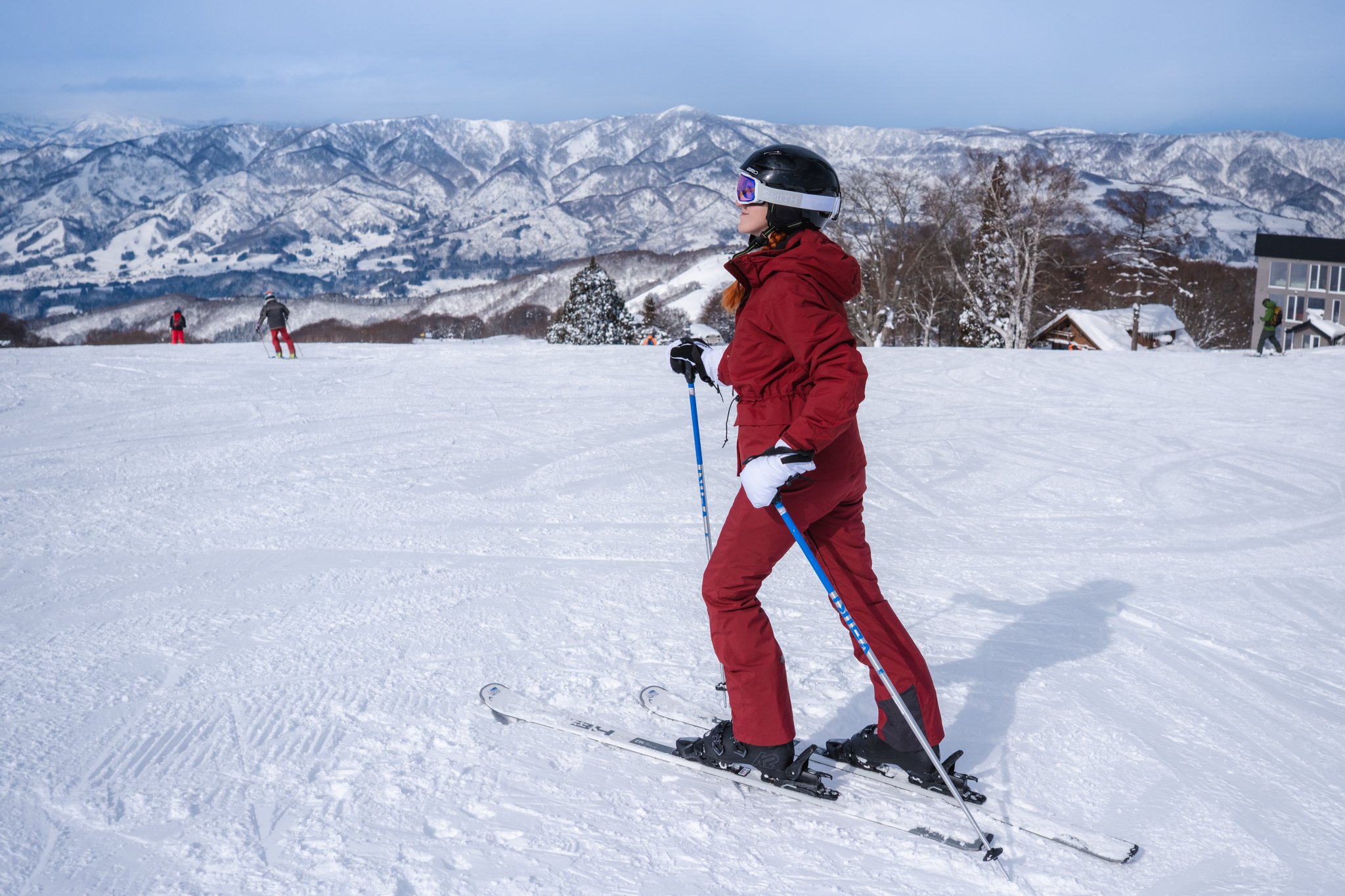
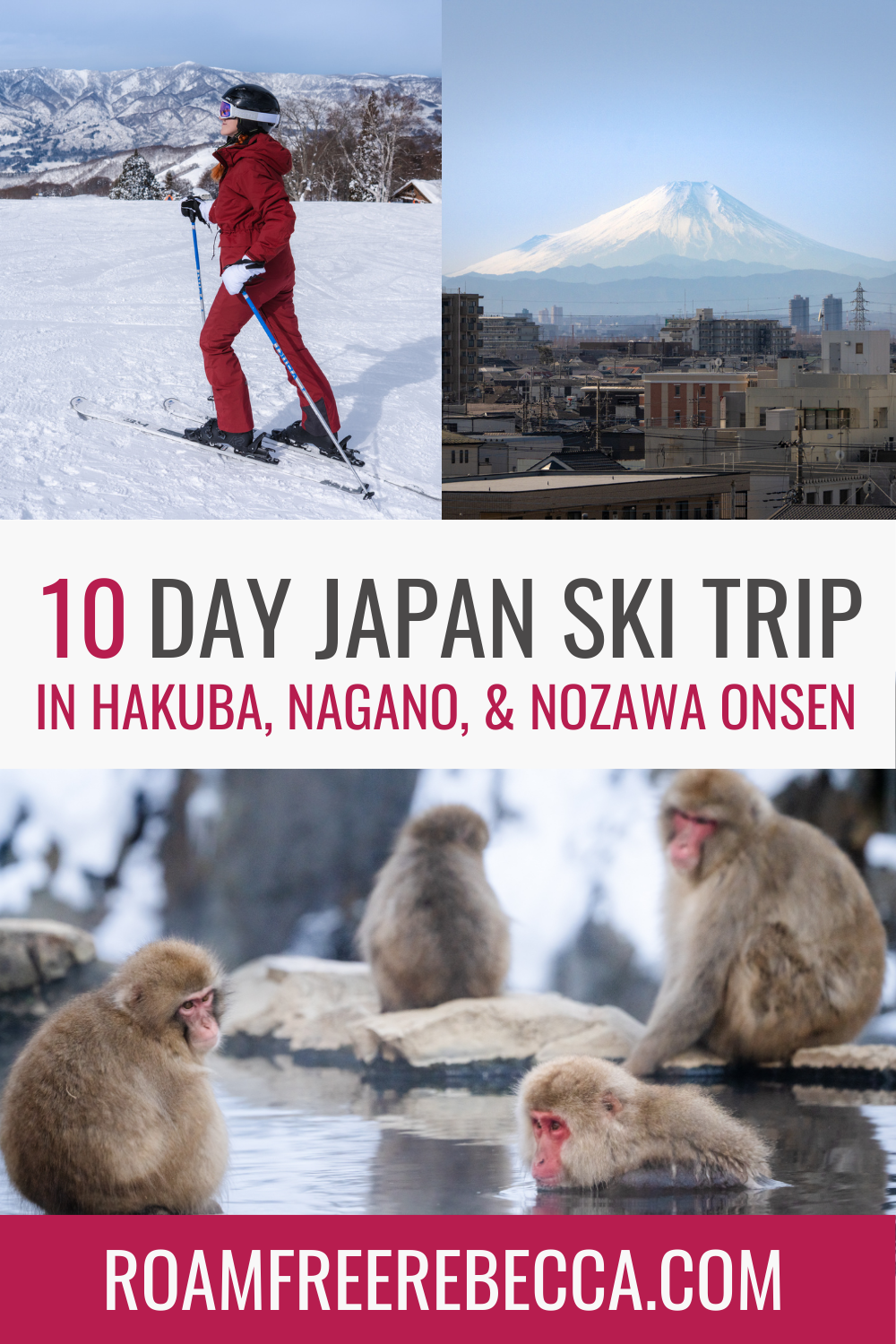
Plan your DREAM Japan ski trip to experience the legendary powder of Japan (“Japow!”) with this 10-day itinerary covering Tokyo, Nozawa Onsen, Hakuba skiing, onsens, and essential travel tips. BONUS: a 14 day Japan ski trip itinerary option is included as well!
Dreaming of bottomless powder, cozy onsens, and sushi that ruins you for life? A Japan ski trip is one of those bucket-list adventures that COMPLETELY lives up to the hype! Known for its legendary powder, affectionately called “Japow”, Japan is truly a standout ski destination. Combine Japow with Ghibli-esque alpine towns, INCREDIBLE food, and rich Japanese culture – and you get the MOST unforgettable trip.
This Japan ski trip itinerary covers the perfect 10-day loop: a little Tokyo city energy, two incredible ski areas (Nozawa Onsen + Hakuba), and a memorable stop in Nagano. Whether it’s your first time skiing Japan or you’re leveling up from a quick trip, this 10 day Japan trip gives you the ultimate blend of powder and culture. And the craziest part? On my own Japan ski trip, I found that it was actually LESS expensive to ski in Japan than it is in the US (!), so move over Colorado! Ready to jump into Japow?! Let’s go!
Disclaimer: This blog post may contain affiliate links, which means I get a small commission if you click the link and make a purchase – at no extra cost to you! I only share things I genuinely love and think my audience would love too! This is one of the ways I’m able to keep making these free resources and guides for you. Thank you so much for your continued support! Learn more about my affiliate policy here.
What to Know Before Visiting Japan
📍 Where is the best place to ski in Japan?
If you’ve been researching skiing in Japan, you’ve probably heard of Hokkaido – and yes, the powder there is a 10/10. But if you want the BEST balance of accessibility, culture, and variety, Nagano Prefecture is THE move.
HOWEVER, this Japan ski trip itinerary focuses on Nozawa Onsen and Hakuba because this combo gives you the perfect blend of small-town charm and big-mountain skiing:
Nozawa Onsen:
- Traditional alpine village vibes
- Public onsens everywhere (literally part of daily life)
- Deep powder with fewer crowds
- Cozy, authentic charm
Hakuba Valley
- Nicknamed the Japanese Alps
- 10 ski resorts in one region
- Massive terrain variety (great for mixed skill levels)
- Easy access from Tokyo
📅When to visit Japan to ski
The Japan ski season typically runs December through early March, but here’s how it breaks down:
- Late Dec – Early Jan: Festive vibes but busiest
- Mid-Jan – Feb: Peak powder season (best snow conditions)
- Late Feb – Early March: Still great snow + fewer crowds
If you can swing it, late January or early February is the sweet spot.
⏰ How long to ski in Japan
For a first-timer, a 7-10 day Japan ski trip is ideal. This gives you: a couple of travel days, time to adjust to jet lag, multiple ski days across different resorts, and some cultural experiences beyond the slopes. But if you have a bit more time to spend, 14 days will allow you to slow down and experience even more ski slopes – check out the section at the end of this blog of how to extend your trip.
🚗 How to get around Japan
Japan can be intimidating because of the language barrier (both spoken and written), but don’t worry, Japan is incredibly easy to navigate – even in winter! My top tip: download a digital Suica card to your phone’s Wallet to seamlessly pay for public transport (contactless cards are not always accepted but you CAN use Apple pay to top off your Suica card).
Here are the best transport options:
- Bullet trains (Shinkansen) for major city transfers
- Ski resort buses for mountain towns
- Taxis for short hops in ski villages (Uber works too!)
Day 1: Explore Tokyo
Kick off your Japan ski trip by diving straight into the electric energy of Tokyo. It will be a jam packed 1 day Tokyo itinerary, but don’t worry, I’ve included the best things to do in Tokyo so even with just one day you won’t miss the highlights!
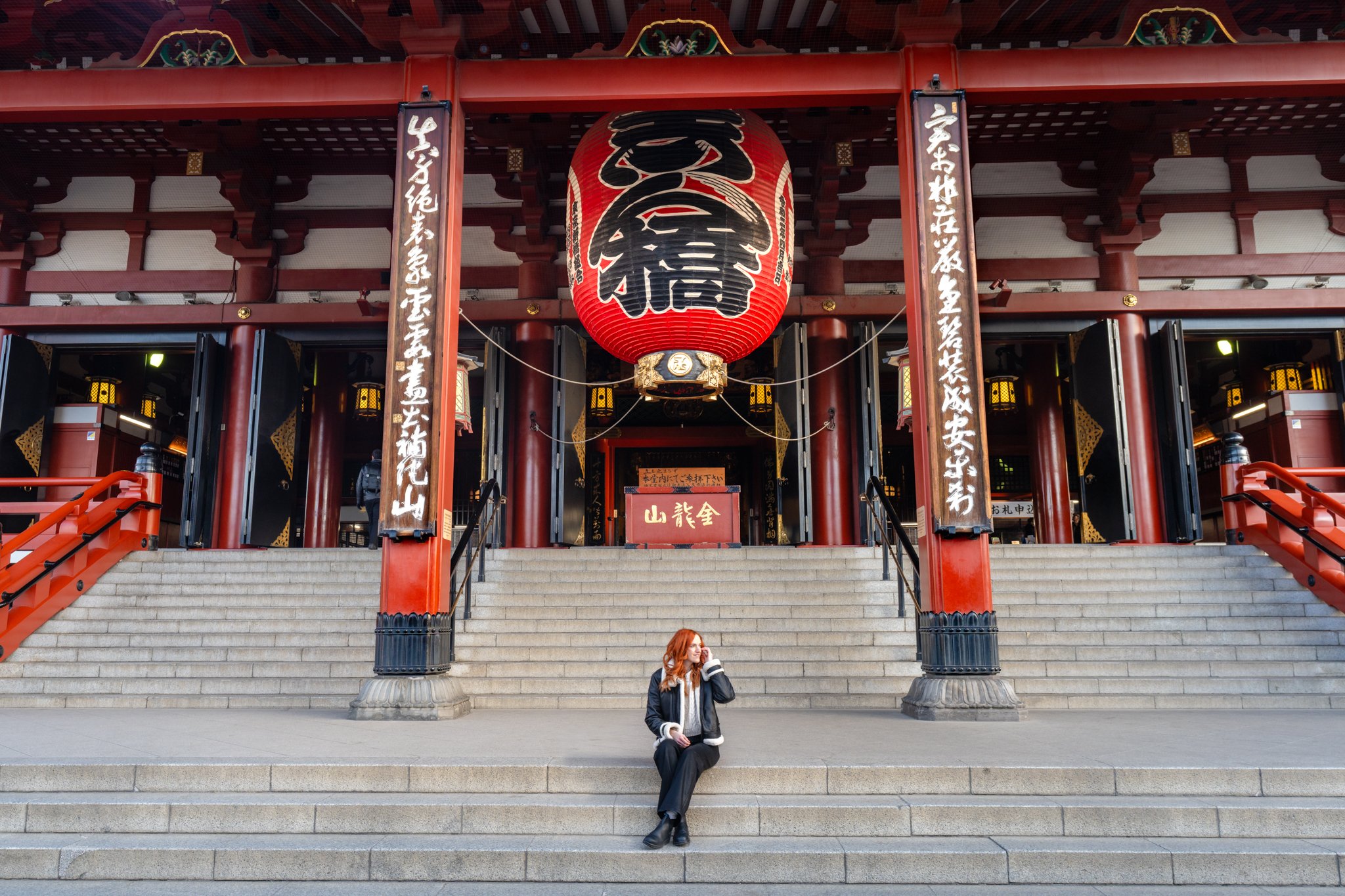
There really is SO much to do in Tokyo (you really do need more than a day BUT the slopes are calling!) so make sure to get an early start by getting a cozy matcha latte and pastries at Hatoya Asakusa (my FAV place!). Since you’re already in Asakusa, wander through Sensō-ji temple next – Tokyo’s oldest-established temple.
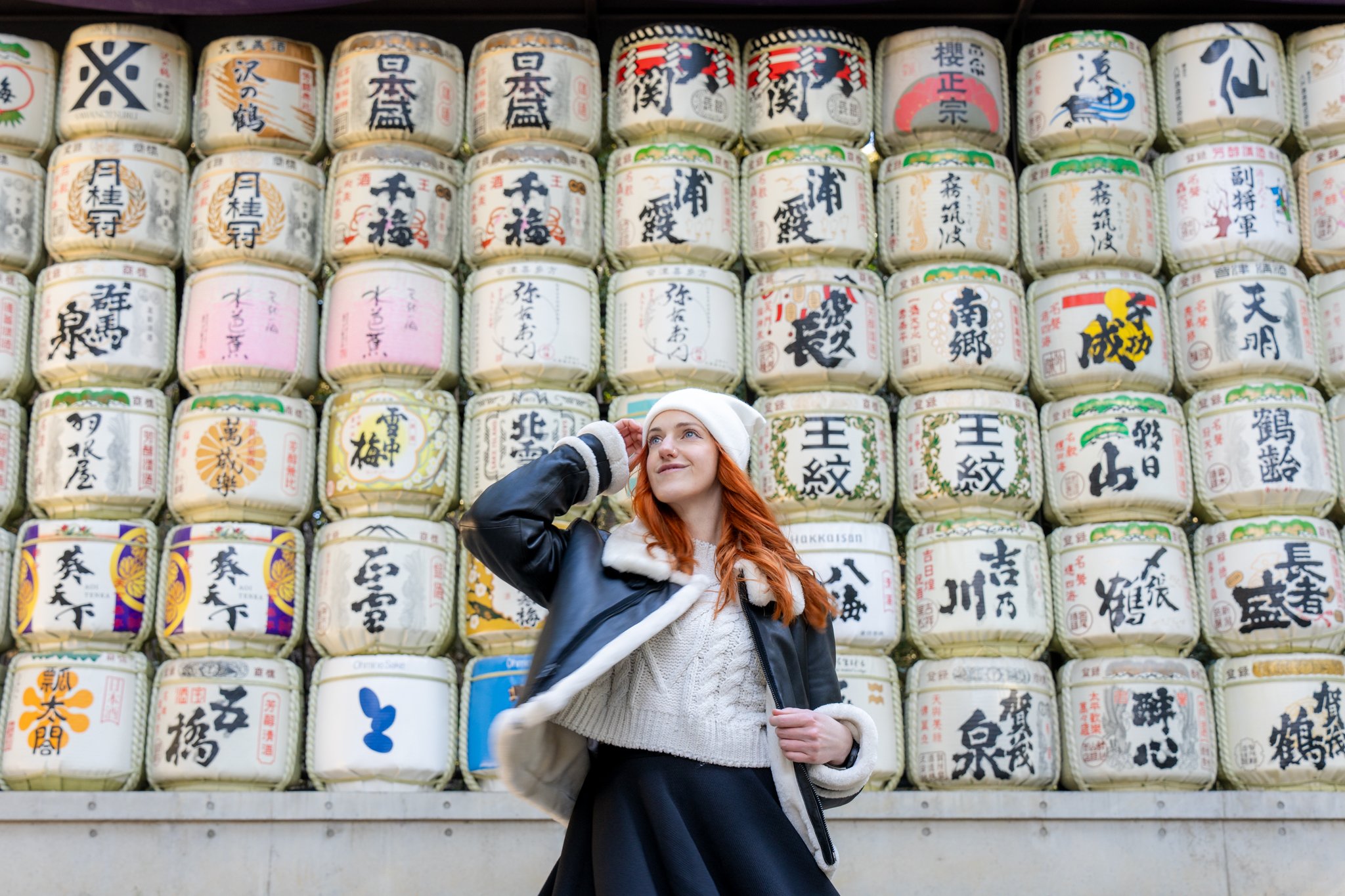
From there, head across the city with the Tokyo Metro to Meiji Jingu Shrine and take a peaceful stroll through Yoyogi Park – it’s the perfect way to balance Tokyo’s chaos with a bit of calm.
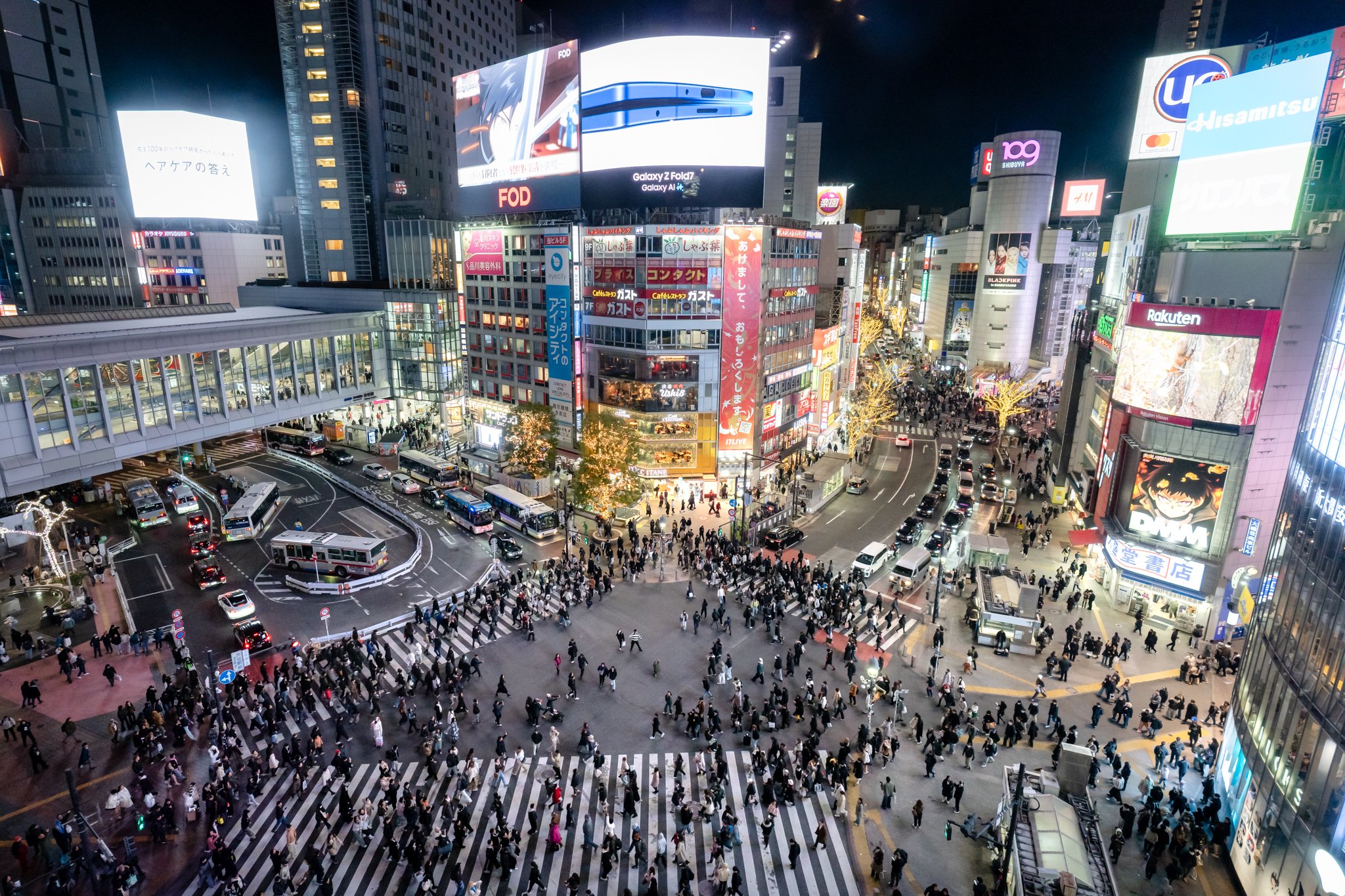
In the afternoon, explore Harajuku’s Takeshita Street for colorful street culture and EPIC shopping, then transition into the sleek, upscale vibes of Omotesando. As night falls, watch the neon madness of Shibuya Crossing (Tokyo’s version of Times Square!) before grabbing yakitori in Omoide Yokocho and ending the night in Shinjuku for some nightlife. It’ll be sensory overload but in the best possible way.
Even More Things to do in Tokyo
If you end up adding more to your trip (see my 14 day Japan ski trip itinerary below!) OR, if you want to trade a ski day from this itinerary for tacking on a bonus Tokyo day instead, here are some rapid fire recommendations:
- Visit the Imperial Palace
- Wander the Shinjuku Gyoen National Garden
- See interactive art exhibit at TeamLab Planets OR TeamLab Borderless
- Visit Tokyo Tower
- Shop at Tokyo Plaza
- Try out a Kintsui workshop
Where to Stay in Tokyo
Budget
- Nui. Hostel & Bar Lounge: stylish, social, and perfect for solo travelers who want boutique vibes without the boutique price.
- Hotel Mystays Asakusa: affordable, reliable, and located in a quieter neighborhood with easy access to top sights.
Mid-range
- The Gate Hotel Asakusa: sleek design and an unbeatable location steps from Senso-ji, ideal for first-time Tokyo visits.
- Shibuya Stream Excel Hotel Tokyu: modern comfort in the heart of Shibuya, perfect if you want nightlife and transit at your doorstep.
Luxury
- Park Hyatt Tokyo: iconic skyline views and timeless elegance for a splurge-worthy, Lost in Translation-style stay.
- Aman Tokyo: ultra-serene luxury that feels like a minimalist sanctuary floating above the city.
Day 2: Last Tokyo Adventure & Transfer from Tokyo to Nozawa Onsen
Ease into your ski adventure with one last taste of Tokyo before heading for the mountains. Start the morning by sampling fresh seafood and street snacks at Tsukiji Outer Market, then make your way to Tokyo Station to begin the journey north.
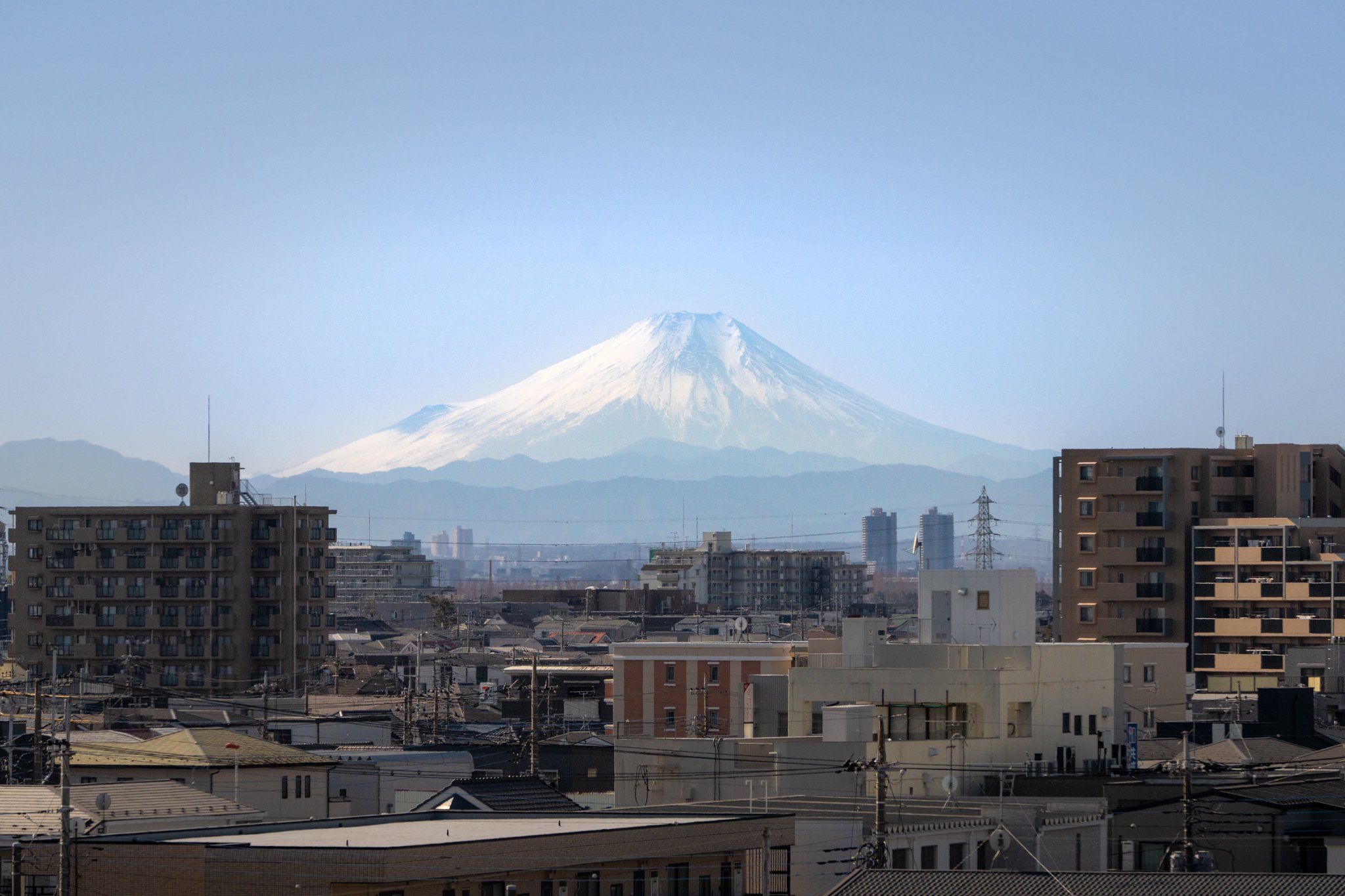
You can purchase a non-reserved seat shinkansen train ticket at the station, but if it’s peak season, you should book in advance for a reserved seat. It’s a gorgeous, one and a half hour scenic train ride (look out for Mt. Fuji, it’s more visible in winter!) to Iiyama Station. From there, jump on the local bus to Shinen (just 25 minutes away!) to arrive in the snowy village of Nozawa Onsen. You can also buy your bus tickets right outside Iiyama Station so it’s easy!
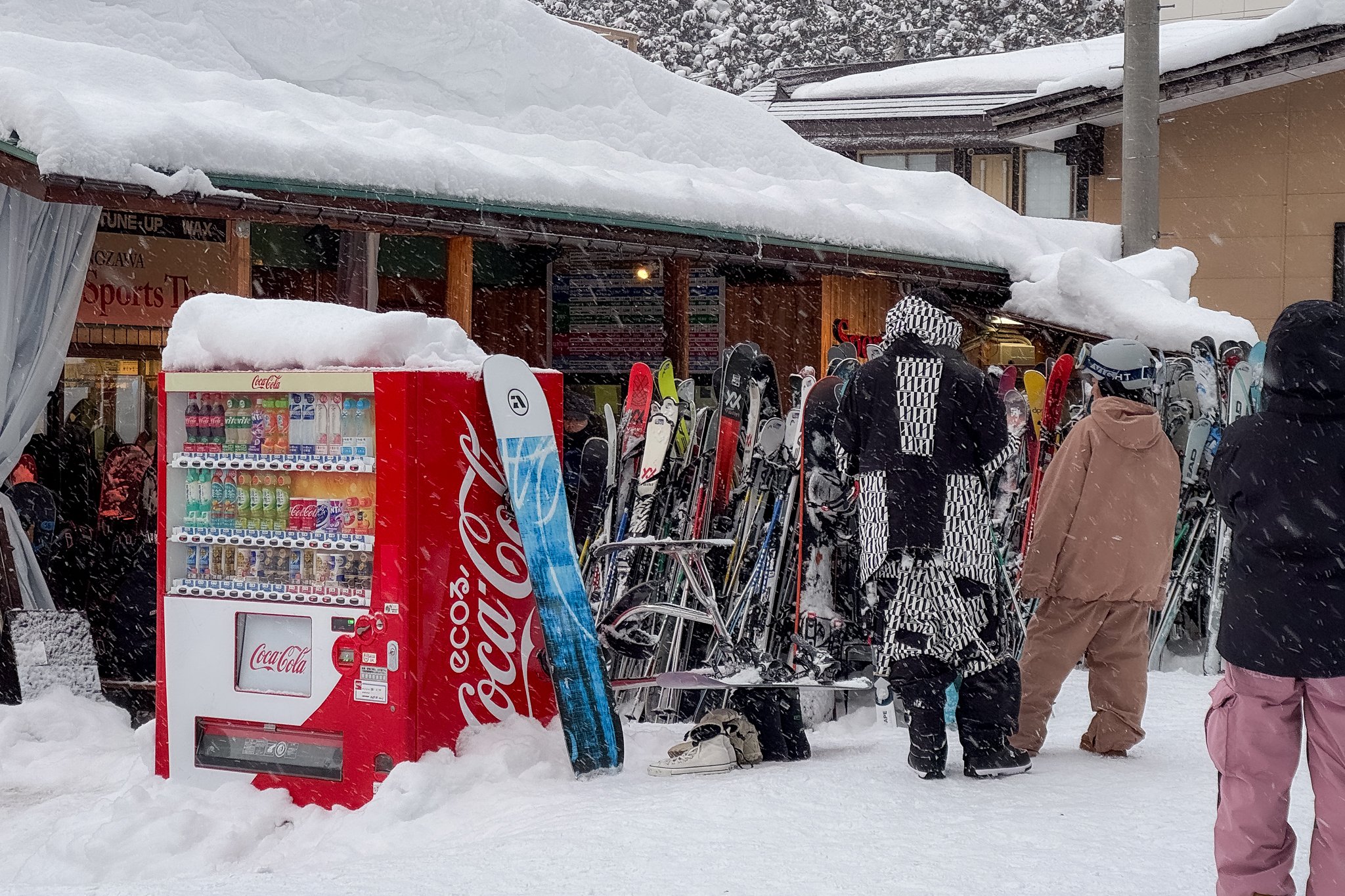
Once you arrive, check into your accommodation and drop off your bags, and then head out to get your ski rentals so that you’re ready for the slopes. Some accommodations will give you a 10% off discount at a local ski shop, so it’s worth asking about! What’s great about Nozawa Onsen is that the whole town is pretty much walkable, so on my own Japan ski trip, I just walked up to the base of the ski resort and rented from the shop right there!
After your rentals are squared away, spend the evening wandering the lantern-lit streets, maybe grabbing some snacks from the local market, grabbing a warm bowl of ramen (Nagasaka Cafe right by the ski rental shop is perfect!), and getting an early night before your first ski day tomorrow.
Where to Stay in Nozawa Onsen
Budget
- Nozawa Onsen Lodge: cozy, social, and super convenient for skiers who want a laid-back, backpacker-friendly base.
- La Fore Yamane: a simple but welcoming family-run stay with authentic Japanese hospitality.
Mid-range
- Ryokan Sakaya: a classic ryokan experience with beautiful traditional rooms and a fantastic onsen.
- Nozawa Grand Hotel: known for its stunning outdoor baths and unbeatable mountain views.
Luxury
- Residence Yasushi: boutique alpine luxury with sleek design and a peaceful, upscale feel.
- Address Nozawa: modern apartments in the heart of the village, ideal for longer or more luxurious ski stays.
Day 3: First Ski Day in Nozawa Onsen
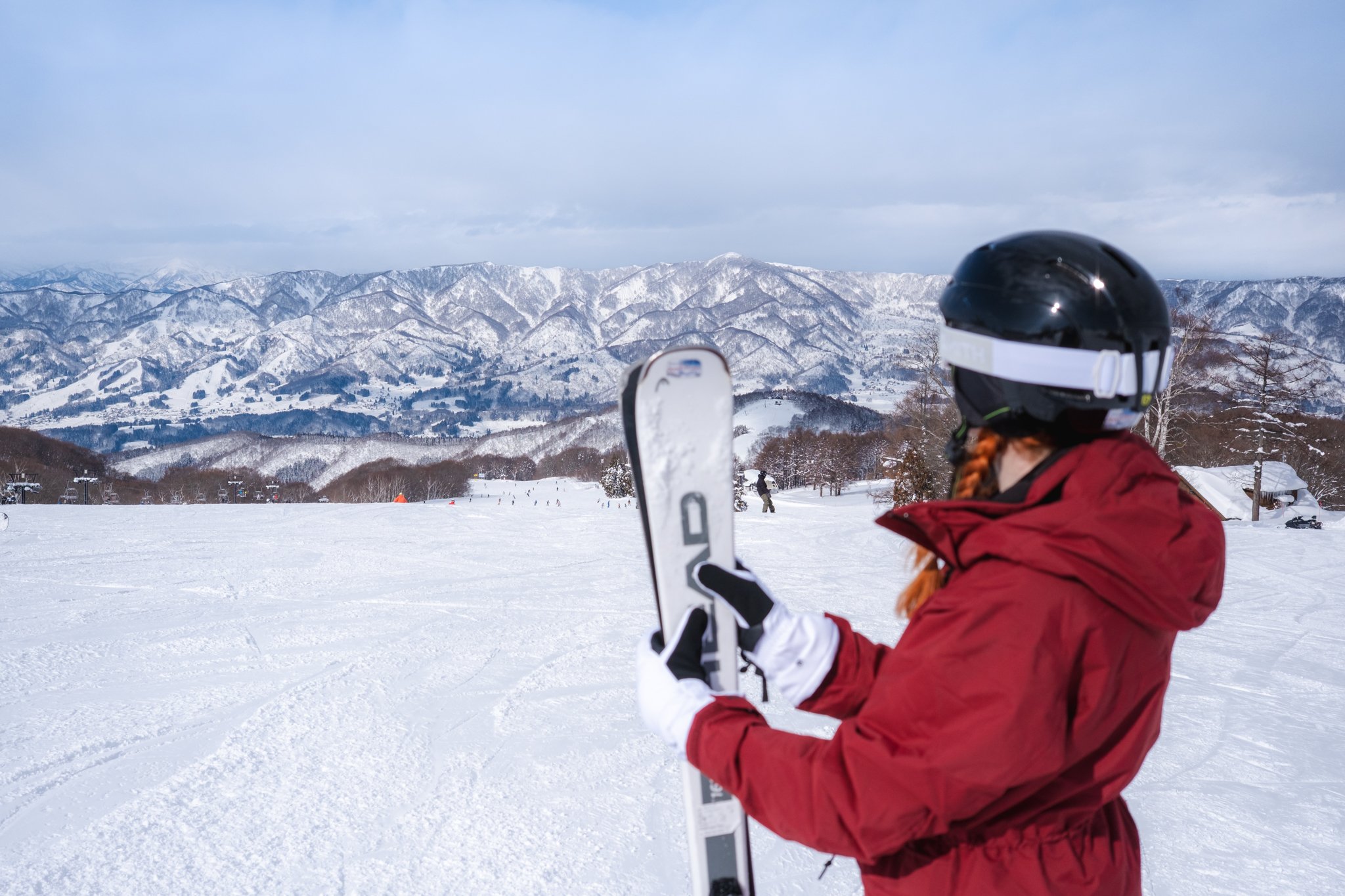
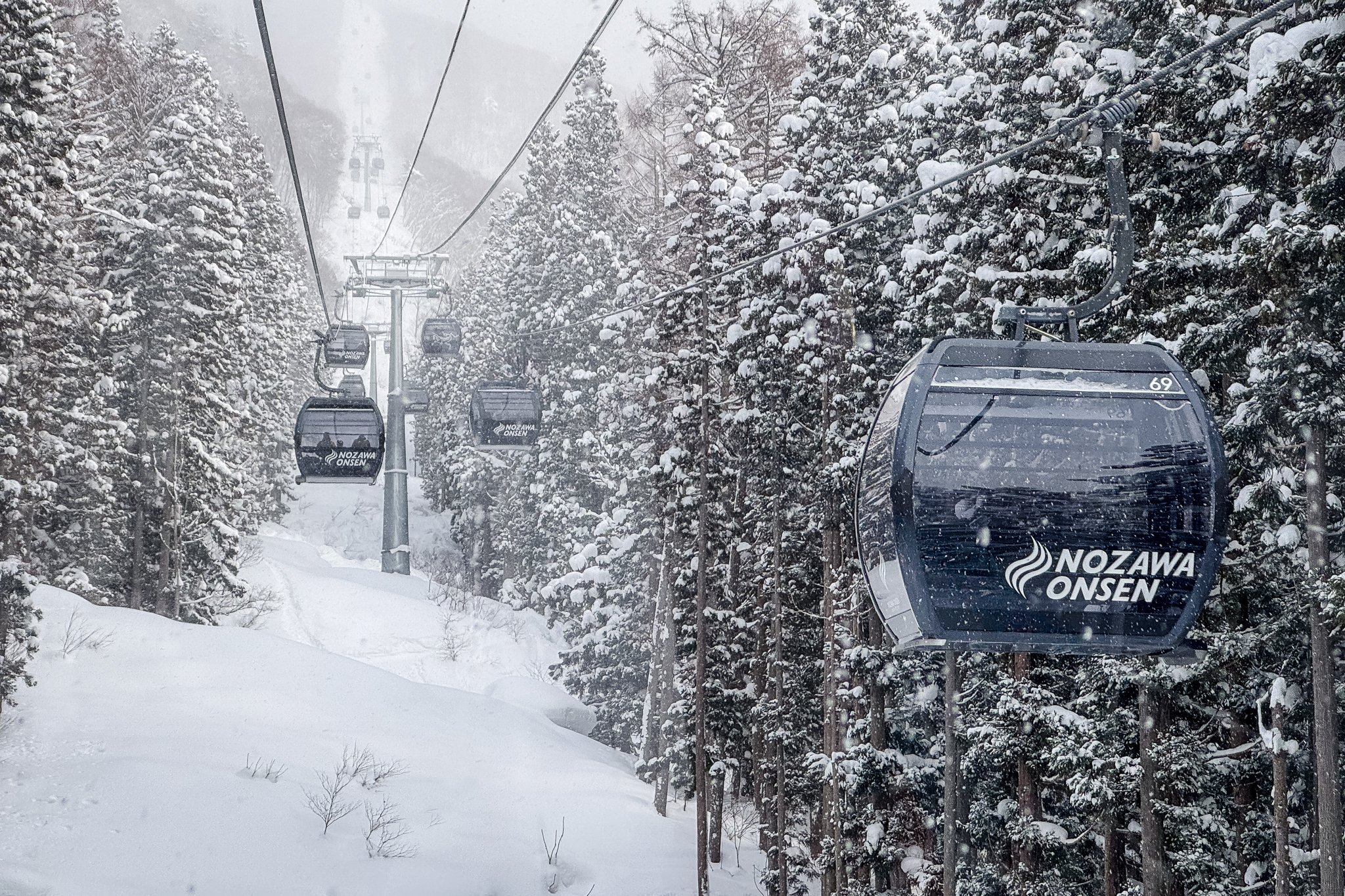
Your first full ski day kicks off in Nozawa Onsen, and it’s a magical introduction to Japow (truly the powder is SO GOOD!). The resort is known for its long, cruisy runs, scenic tree skiing, and relaxed atmosphere that makes it easy to settle into the rhythm of skiing in Japan. I was actually able to grab my lift ticket (in the form of a plastic card like a hotel room key) from my accommodation and just paid online to load up the card for 2 days, but of course you can also buy tickets and grab paper maps at the base of the slope at the Gondola.
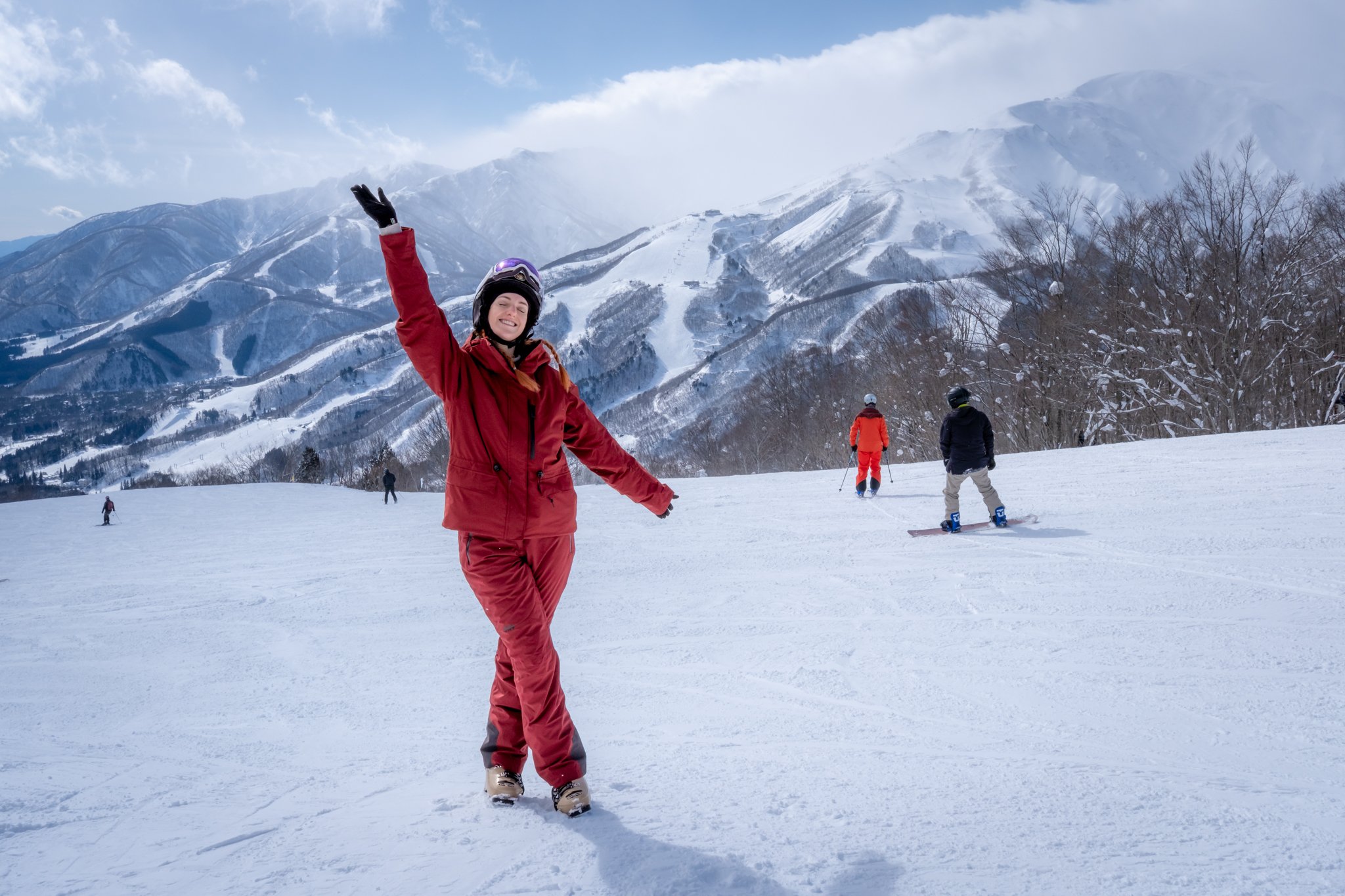
At Nozawa Onsen Ski Resort there are plenty of green runs for beginners, and of course more challenging red (intermediate) and black (expert) runs as well for those more experienced and looking for a challenge. But my absolute favorite part of skiing here and why it’s so worth it – is that the views of the surrounding mountains are STUNNING!
There are also multiple VERY delicious options for lodge food (and of course beers!) – the only downside to a lunch like this is that it will ruin lodge food for you forever (THAT’S HOW GOOD IT IS!). I tried a different lodge each day for lunch (curry on the first day!) and there truly are no bad options for food.
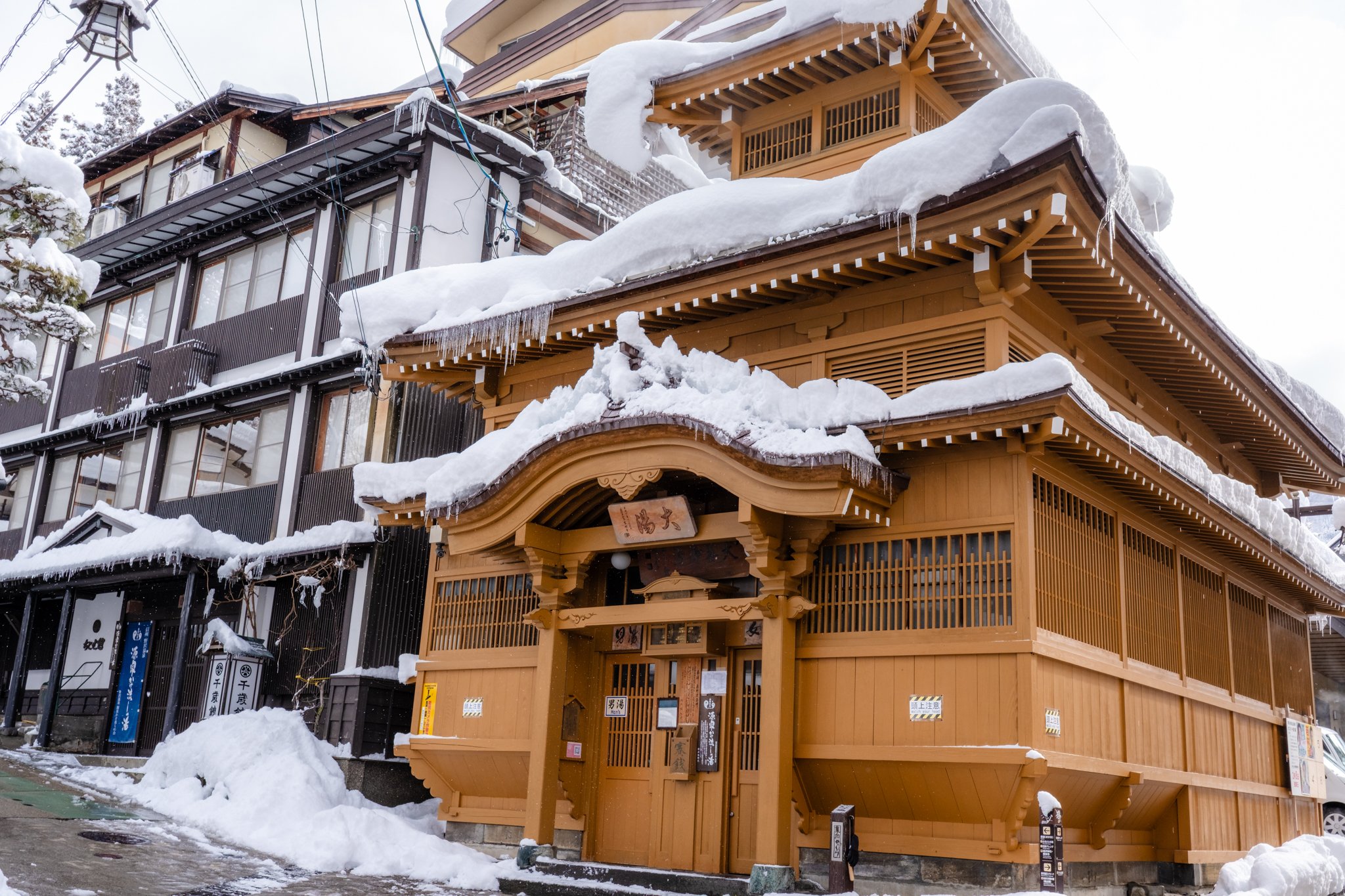
After the lifts close, lean fully into the Nozawa experience by soaking in your first traditional onsen. It’s the ultimate “welcome to Japan winter” moment. And as you might have guessed, the town of “Nozawa Onsen” has MULTIPLE onsens – you could try a new one each night! Tip: the onsens are at their busiest after the slopes close as everyone has the same idea – but after dinner and later in the evening the onsens are less busy.
For dinner, grab a comforting meal of katsu curry or ramen, and you’ll quickly understand why people fall in love with this village. Tip: the restaurants in town are VERY tiny and once they fill, it’s considered full for the night so make reservations OR arrive RIGHT at opening time for the best chance at seating.
Read this next!
What you need to know about Japanese onsens
If there’s one experience that defines a winter trip to Japan (besides powder days), it’s soaking in an onsen. These natural hot springs are deeply rooted in Japanese culture and are honestly one of the most magical parts of a Japan ski trip – especially after a long day on the slopes.
That said, onsens come with their own etiquette, and knowing a few basics ahead of time will help you feel confident walking in:
First Things First: Yes, You Bathe Naked
Onsens are traditionally enjoyed without swimsuits, and yes – it can feel intimidating at first. But it’s completely normal in Japan, and once you realize everyone is minding their own business, it quickly feels surprisingly relaxing.
If you’re nervous, start with a smaller ryokan onsen or go during quieter hours (early morning or late evening). And note – they ARE separated by gender!
Shower Before You Soak
Cleanliness is a big deal in onsen culture. Before entering the hot spring, you’ll sit at a shower station and fully wash your body using the handheld shower and stool provided.
Think of it like this: the onsen is for soaking, not bathing. Additionally, onsens are not just hot, they are HOT HOT, so you might need to slowly and carefully splash yourself with the provided buckets to get used to it before fully submerging.
Tattoos: Likely Not Allowed
Tattoos have historically been associated with gang culture in Japan, so some onsens still have restrictions. The good news? Many ski towns are becoming more tattoo-friendly.
Your options:
- Look for tattoo-friendly onsens
- Cover small tattoos with patches
- Book a private onsen (very common in ryokans)
Indoor vs Outdoor Onsens
Many onsens have both indoor and outdoor baths, and if you can, always try the outdoor one (called a rotenburo). Sitting in steaming hot water while snow falls around you is peak Japan winter magic.
Onsen Etiquette Tips
A few quick things that’ll help you blend right in:
- Tie up long hair so it doesn’t touch the water
- Bring a small towel but don’t let it soak in the bath
- Keep voices low – onsens are calm, quiet spaces
- Stay hydrated (they’re HOT)
Day 4: Day 2 of Skiing in Nozawa Onsen
Spend your second ski day of this Japan Ski trip by exploring different lift zones and getting more adventurous as your confidence grows. Try heading higher up the mountain for fresh powder or duck into tree runs if conditions allow. Nozawa is compact but full of personality, making it easy to cover a lot of terrain without feeling rushed.
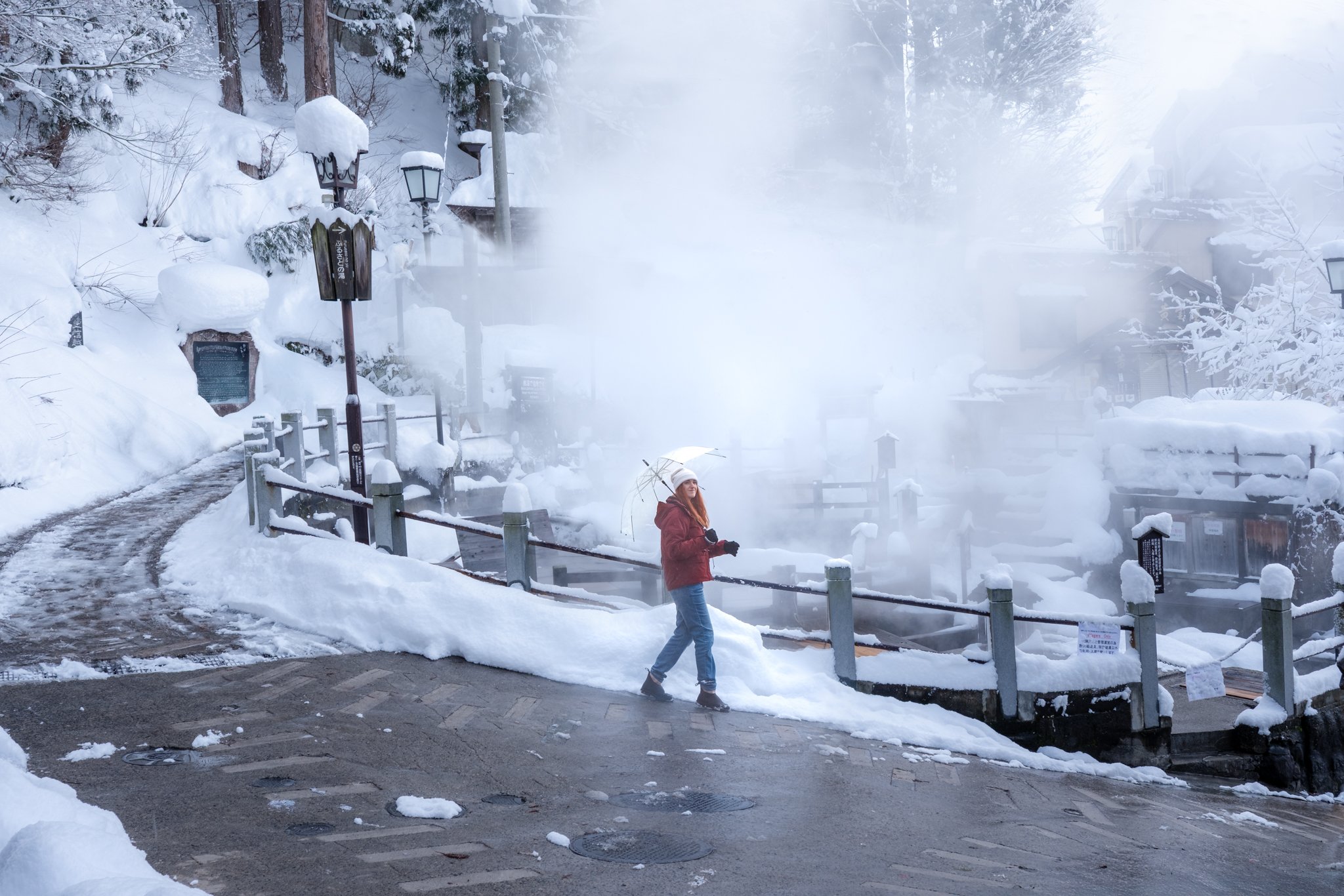
After skiing, return your rentals (note the closing time, don’t miss it!) and treat yourself to one last relaxing onsen soak. These quiet evenings in Nozawa wandering through the snowy, lantern light-filled streets ended up being some of my most memorable moments of the entire trip.
Day 5 Final Nozawa Explorations & Transfer to Hakuba Valley
Today you’ll trade Nozawa’s cozy village vibes for bigger mountains and more terrain variety in Hakuba. Spend a little bit of time exploring more of Nozawa Onsen in the morning before heading out – wander the quaint streets and grab a steamed apple bun for the road (Nagano is known for its apples!).
When you’re ready to say goodbye to this amazing town, grab the local 25-minute Shinden bus back to Iiyama Station, and take a quick 20 minute ride on the local Iiyama Line to Toyono Station. From there, jump on the Nagano-Hakuba line bus from the Nagano Station East Exit. This is a longer, hour+ ride but it’s sooo scenic as you pass through the snow-covered countryside.
It will depend on where you stay in Hakuba Valley (see my recommendations below!) to influence where exactly you get off the bus – but you can easily just use Google Maps to figure out your stop by putting in directions to your accommodation.
Once in Hakuba, check into your hotel, and make sure to ask about local ski rental shops (if you haven’t already reserved gear in advance – which I’d definitely recommended for the busier Hakuba area) to see if there’s a discount available. Grab your ski rentals and get them back to your accommodation (most have dry rooms just for this!).
Afterward, take a little time to explore the town a bit. Hakuba has a more international ski feel than Nozawa, with lively restaurants, bars, and a broader range of accommodations. It’s a fun shift in energy and sets the stage for bigger ski days ahead.
Where to Stay in Hakuba Valley
Since Hakuba has ten different ski resorts spread across a large valley, there are different areas in which you can stay at, each at the base of a different mountain. In the grand scheme of things, it doesn’t REALLY matter where you stay, because there is a very inexpensive shuttle that connects all of the slopes. So to make it easier you can choose by budget instead of area, or opt for a busier area (e.g. Happo-One area) vs quieter (e.g. Goryu). Tip: opt for one that includes breakfast to make your ski day start easier.
Budget
- K’s House Hakuba Alps: a favorite among solo travelers and ski bums thanks to its friendly, social atmosphere.
- Hakuba Goryu Pension Kurumi: charming and affordable with easy access to the Goryu lifts.
Mid-range
- Hakuba Tokyu Hotel: a reliable, comfortable stay with spacious rooms and shuttle access to multiple resorts.
- Hotel Goryukan: cozy Japanese-style lodging with an onsen and prime Happo-One location.
Luxury
- Hotel Green Plaza Hakuba: ski-in/ski-out convenience with iconic alpine chalet vibes.
- Hakuba Mountain Harbor stays: scenic, design-forward accommodations paired with some of the best views in the Japanese Alps.
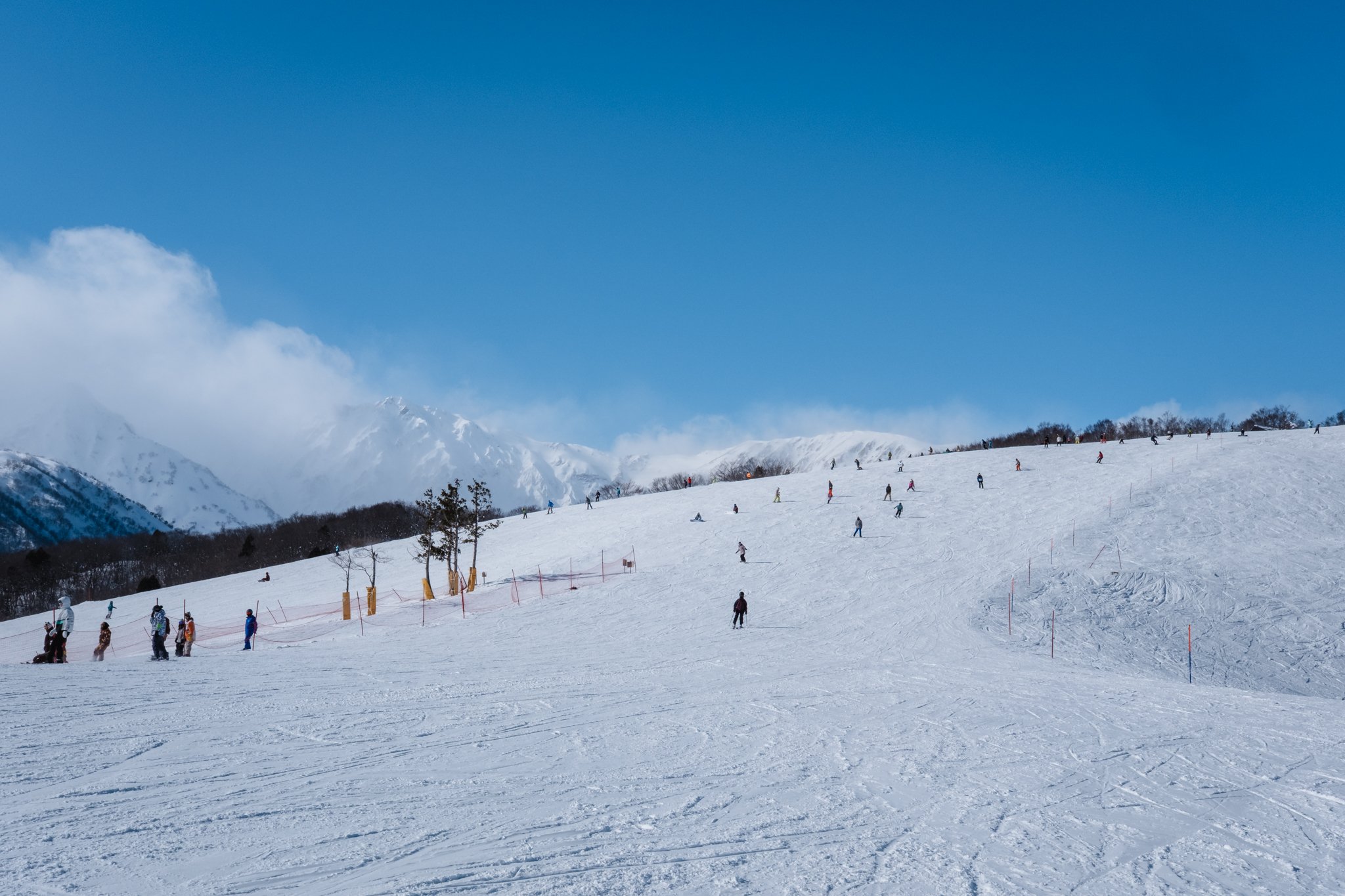
Day 6: First Day of Skiing in Hakuba: Iwatake Snow Field
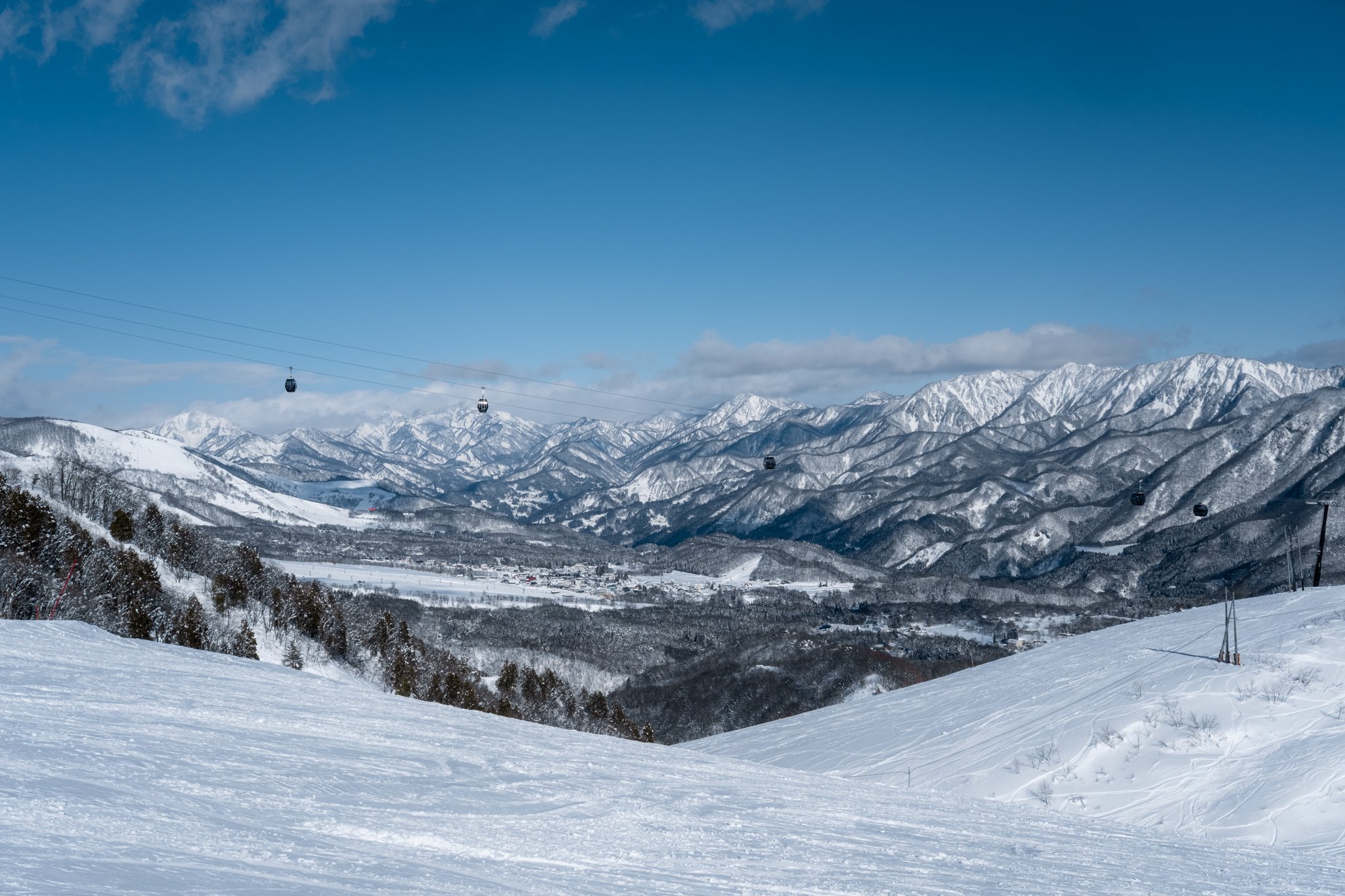
Start your Hakuba experience with Hakuba Iwatake, one of the most scenic resorts in the valley. If you’re not staying near the base of this mountain, just jump on the inter-resort shuttle bus and ride it to Iwatake. It’s a great warm-up mountain with fun intermediate terrain. On the day I visited the snow was a bit icy/slippery from the sun, so powder is never guaranteed – but it was still a fantastic ski resort.
But the VERY BEST part about Iwatake and why it’s so epic to start with: you’ll be treated to panoramic views of the Japanese Alps that make you stop mid-run just to take it all in. Personally, I think it has some of the best views of all of the resorts, which is why it made the list for this Japan ski trip itinerary!
Tip: if it’s a cloudy day, swap this day out with another of the Hakuba resorts instead to try to save this for a blue sky day to maximize your chances of seeing the views).
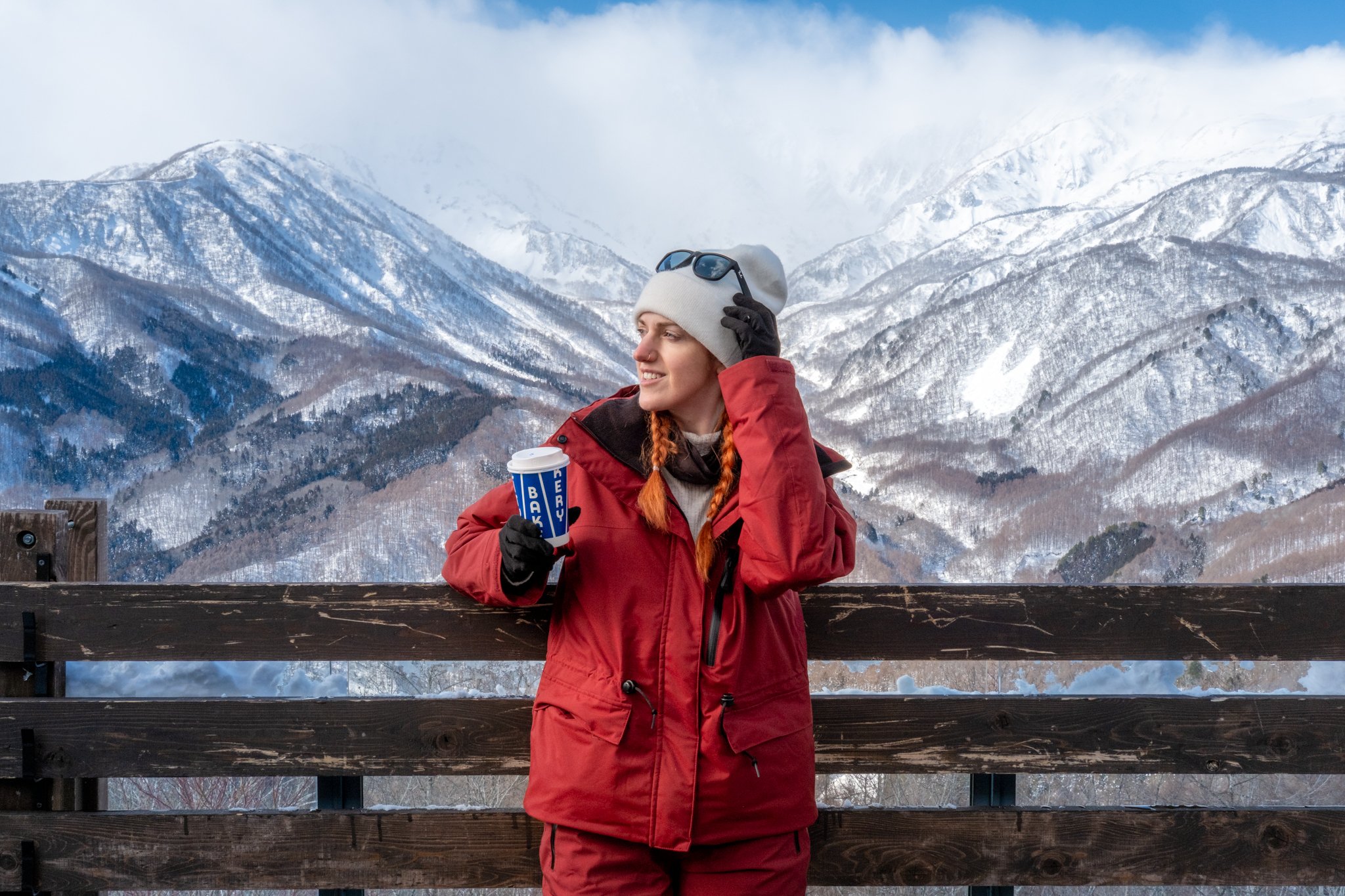
Make sure to stop at the mountaintop café – the views alone are worth it! You can grab coffee and sandwiches and eat outside or inside – either way you’ll have great mountain views. Tip: you can actually just take the gondola up without having to ski if you just want to check out the cafe!
Between the wide-open runs and laid-back vibe, this is the perfect way to ease into Hakuba without jumping straight into the most intense terrain. That being said, if you want to experience MORE of the Hakuba ski resorts, purchase the all-resort lift pass – it’ll allow you to skip between as many as you’d like.
If you are sticking with just Iwatake though, I’d recommend just getting the Hakuba Iwatake SPECIFIC lift pass because it will save you a bit of money. You can easily purchase your lift ticket when you arrive – or purchase in advance online and just “print” out the lift pass when you arrive (what I personally did). And if Iwatake isn’t your vibe at all, just pick a different resort from the list below (this is YOUR itinerary, design it to fit YOU best)!
After your ski day, find an onsen (bonus points – some accommodations offer in-house onsens!) to relax at, and grab some dinner later to fuel up for another ski day. Since Hakuba is a busy and popular area, I’d recommend getting reservations for dinner in advance OR showing up right at opening time (similar to Nozawa Onsen).
Which Hakuba Ski Resort is BEST?
There are TEN different ski resorts in Hakuba Valley and with limited time, it can be hard to pick out which is best. If you’re feeling super indecisive, grab the all-access lift pass that will allow you to swap between resorts – so you could potentially do 2 or more in one day to sample more mountains! If you’re still unsure, go by your skill level or specific interests to see which mountain lines up best for you.
To get a better feel for each one, here is a list of the 10 main ski resorts in the Hakuba Valley:
Hakuba Happo-one Snow Resort: the largest, most popular, and most central, known for its steep, Olympic-level groomed runs. It’s one of the more challenging mountains and also the busiest due to its popularity.
Hakuba 47 Winter Sports Park: renowned for its professional terrain park, half-pipe, and, along with Goryu, some of the best tree riding (NOTE: this is high-hazard, un-patrolled off-piste areas designed for advanced skiers and snowboarders ONLY).
ABLE Hakuba Goryu: family-friendly, connected to 47 at the top (a great way to try two resorts in one day), offering vast slopes and one of the mountains to offer extensive night skiing (!).
Hakuba Cortina Snow Resort: renown as the powder capital of the valley (peak Japow energy!) with high snowfall, a steep bowl (advanced skiers and snowboarders only), and excellent tree skiing.
Hakuba Norikura Onsen Snow Resort: located next to Cortina, offering uncrowded, challenging tree and off-piste terrain. This is a great area to escape the crowds.
Tsugaike Kogen Ski Resort: known for its massive, wide, and gentle beginner slopes – perfect for beginners or anyone looking for a lower-key mountain to ski at.
Hakuba Iwatake Snow Field: famous for spectacular panoramic views of the Japanese Alps and a high-altitude cafe, with mainly intermediate runs as well as intermediate tree-lined runs.
Hakuba Sanosaka Snow Resort: a smaller, scenic resort near Lake Aoki, known for mogul runs (skiers rejoice!). It’s also very family-friendly, and it’s also dog friendly!
Kashimayari Snow Resort: a quieter, family-oriented resort with a traditional, local feel – perfect for escaping the crowds and having a more authentic-feeling experience.
Jiigatake Snow Resort: another smaller resort perfect for beginners, families, and young children – ideal for anyone just starting out skiing or snowboarding.
Day 7: Second Day of Skiing in Hakuba: Happo-One Snow Resort
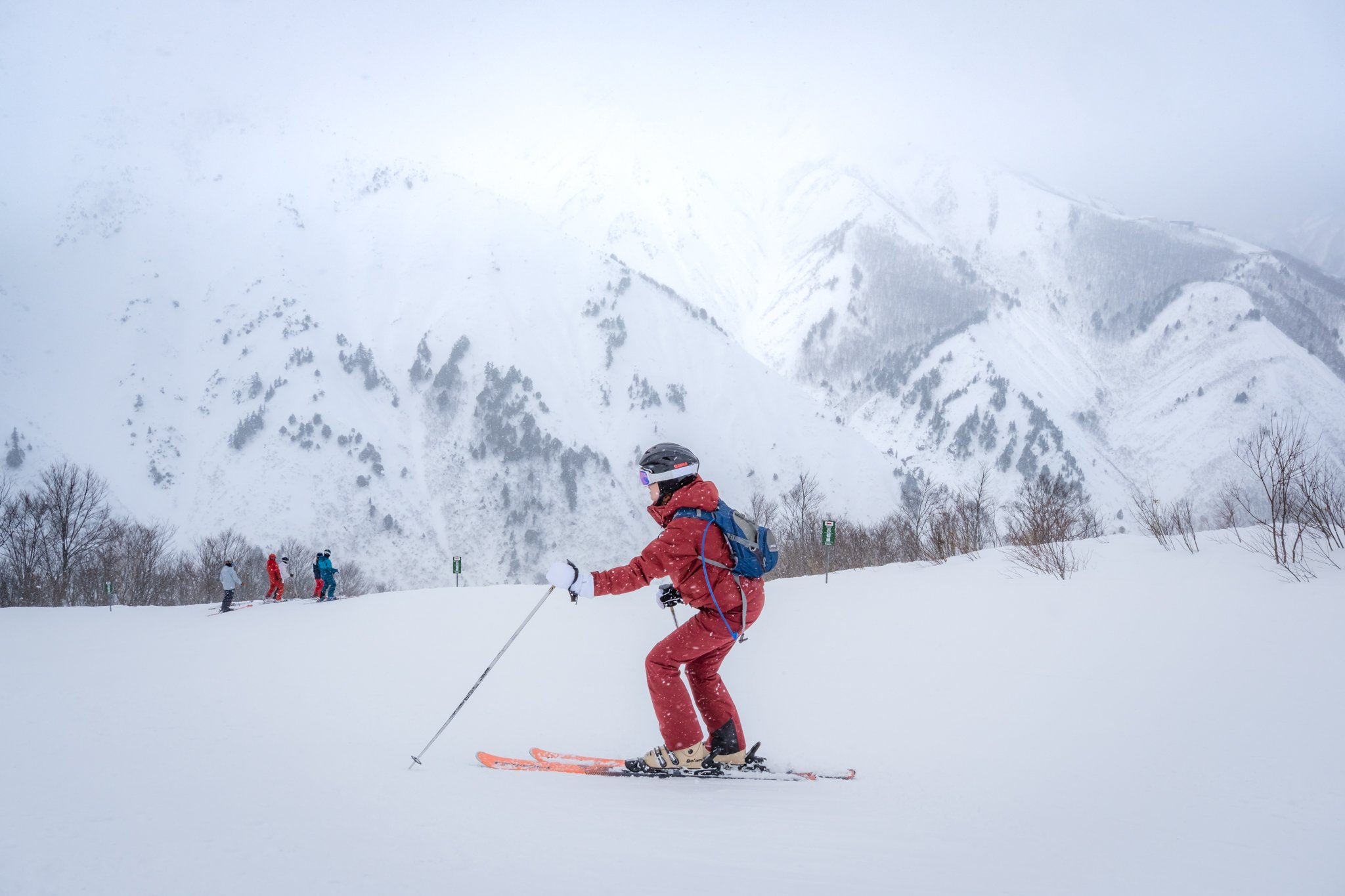
Today is all about Hakuba’s most iconic resort: Happo-One. And no Japan ski trip itinerary is complete without Japow – on a powder day, it’s pure magic at Happo-One! Happo-One is famous for hosting events during the Nagano Olympics, which makes it a very popular (and busy) resort. This mountain offers massive vertical and terrain that caters especially well to intermediate and advanced skiers. It’s challenging but SO fun!
Spend the day exploring different lift zones and enjoying more unforgettable alpine views. By now, you’ll likely be fully in the rhythm of ski-eat-onsen-sleep mode – so you know what to do post skiing!
Tip: if you are a beginner or less-advanced, swap out Happo-One with Tsugaike Kogen Ski Resort OR Jiigatake Snow Resort instead – you’ll enjoy the lower key slopes a lot more, trust me!
Day 8: Final Day of Skiing in Hakuba: Goryu & Hakuba 47 – and Transfer to Nagano
Squeeze in one final ski morning to complete your Japan ski trip before leaving the mountains! Check out of your accommodation and store your luggage at the front desk to grab later.
A great combo for today is starting at ABLE Hakuba Goryu and hopping over to Hakuba 47 Winter Sports Park for a mix of terrain and fewer crowds. It’s a fun, flexible way to wrap up your Hakuba skiing but have a chance to explore more resorts. If you’re pressed for time, swap out Goryu for whichever mountain base you are staying closest to to save yourself time transferring on the shuttle bus.
After skiing, return your rentals, grab your luggage, and take the bus back to Nagano (tip: make sure you reserve your bus seat in advance, and don’t miss the last bus of the day!). Nagano is a perfect transition stop – still surrounded by mountains but with more of a local, cultural feel. Grab dinner in town – try out some Nagano specialities like shinshu soba (rich buckwheat noodles with vegetables in hot broth) or oyaki (dumplings typically filled with nozawana pickles, miso-marinated eggplant, or pumpkin, either pan-fried or steamed).
Tip: if three days of skiing in Hakuba is too many for you, leave a day early on day 5 and tack on one last day of exploration in Tokyo at the end of the trip so you can experience a bit more of this amazing city.
Where to Stay in Nagano
Budget
- Mash Café & Bed Nagano: stylish capsule-style lodging that feels modern without breaking the budget.
- 1166 Backpackers: a warm, community-driven guesthouse perfect for meeting fellow travelers.
Mid-range
- Hotel Metropolitan Nagano: comfortable and ultra-convenient right next to Nagano Station.
- Nagano Tokyu REI Hotel: clean, modern, and ideal for a quick overnight stop.
Luxury
- Aburaya Tosen: a dreamy ryokan near the snow monkeys with incredible rooftop onsens.
- Ryokan Biyunoyado: traditional elegance and serene hot springs for a relaxing end to your trip.
Day 9: Nagano Day Trip – Snow Monkeys, Zenkōji Temple, & Sake Tasting
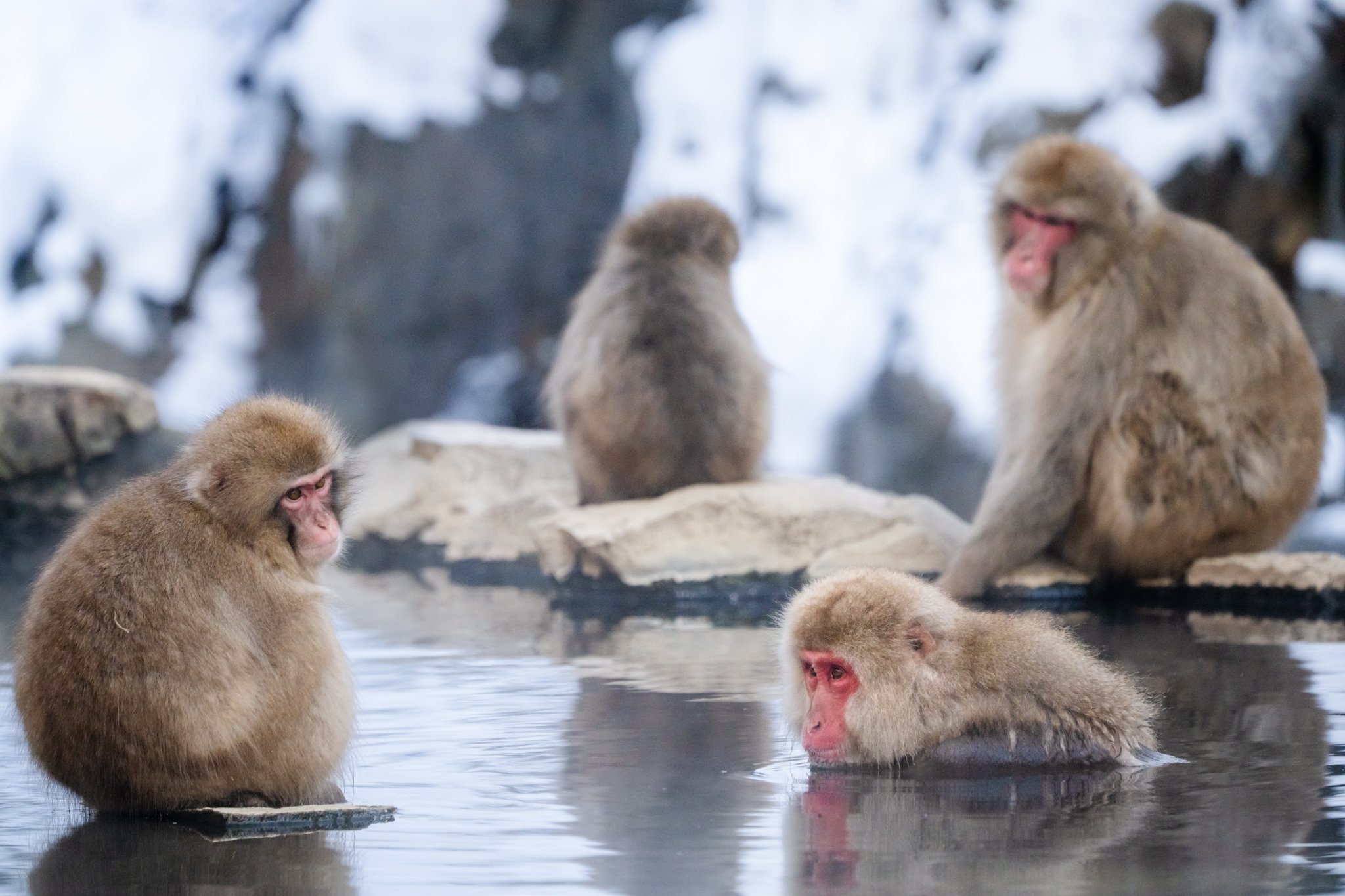
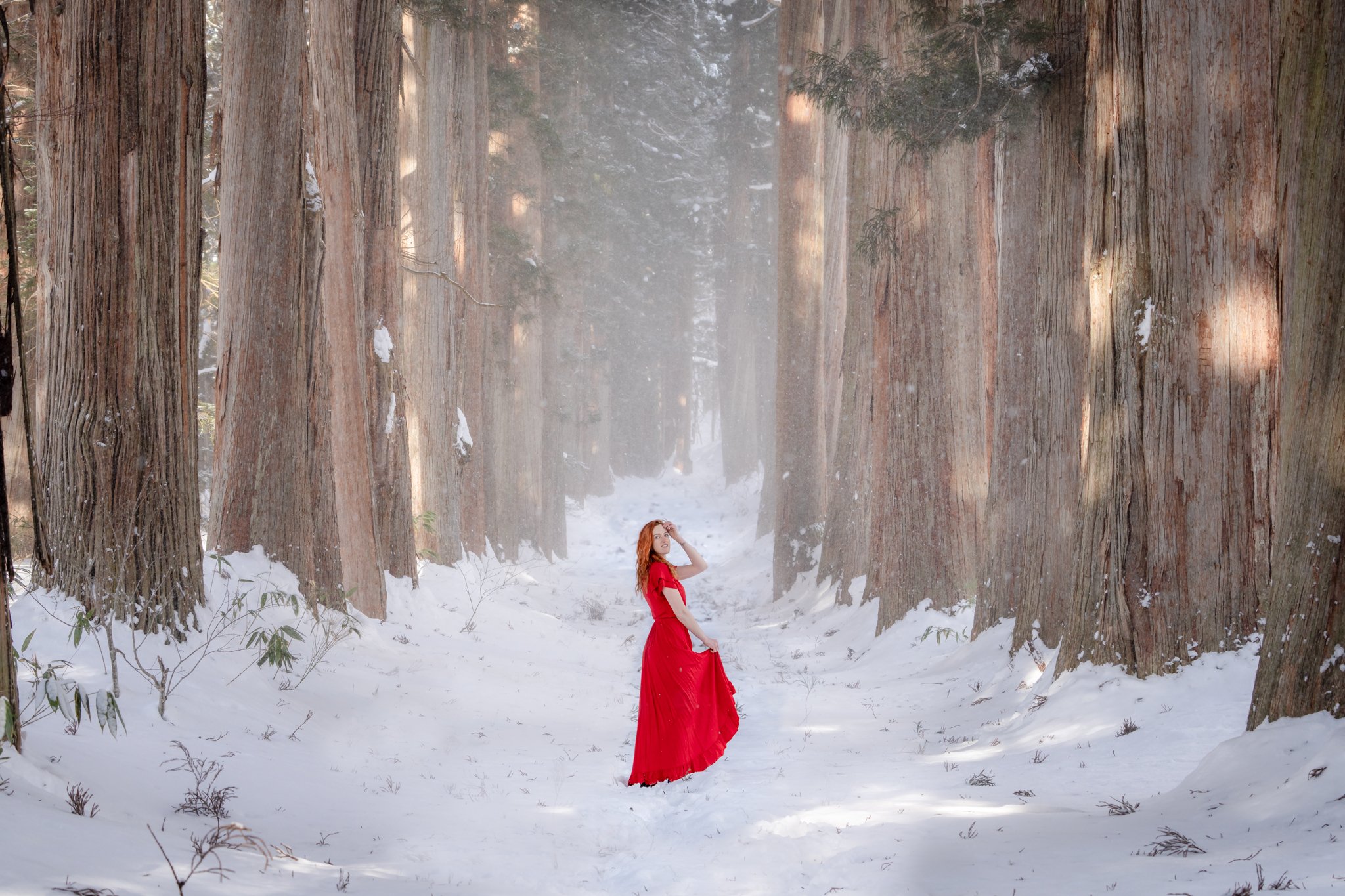
Take a break from skiing and explore one of the most unique experiences in Japan: visiting the famous snow monkeys. It’s a once-in-a-lifetime, bucket-list experience that will make you feel like you stepped into a National Geographic story.
For today’s day trip, I’d recommend taking a guided tour – it makes it easy to combine multiple highlights so you can see more of Nagano, including Jigokudani Snow Monkey Park, Zenkōji Temple Temple (the statues in particular are BREATHTAKING), and even a sake tasting (although for me personally, the miso tasting stole the show!). This is the exact tour I did and would recommend – here’s my video breakdown so you can get a good feel for all it includes and what to expect.
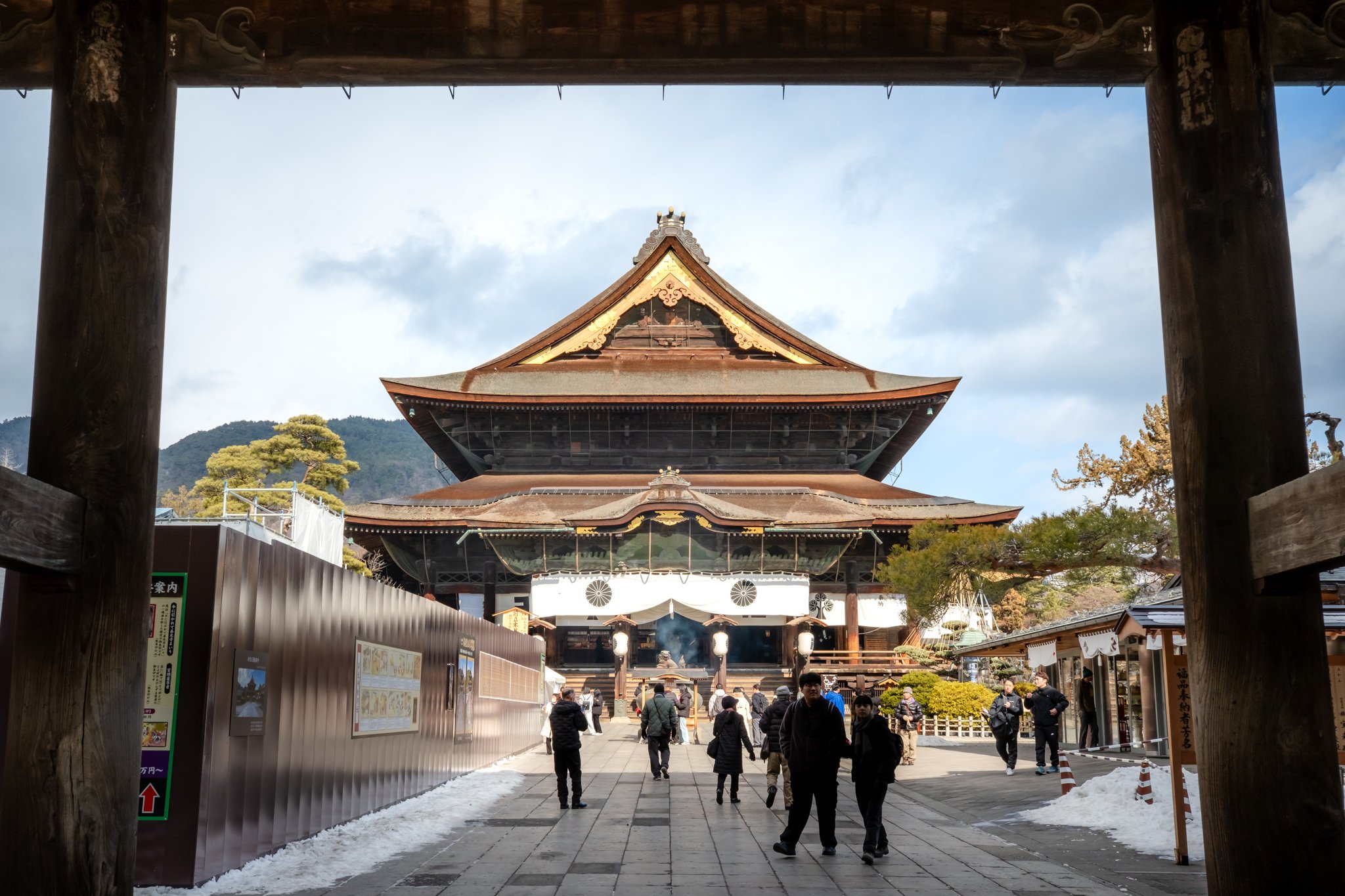
The guide helped bring a lot of context to what I saw and the tour bus to each location made getting around a breeze. You’ll even get a little time to shop near the temple and try out some more local specialty foods. There is lunch included (I had hot pot!) and it was multiple courses and SO so good.
Overall, this is a slower-paced day to give your legs a bit of a break after several ski days. That being said, there IS a short 1.6-2 kilometers (about 1 to 1.2 miles) walk to Jigokudani Snow Monkey Park from the bus parking area, taking roughly 30 to 45 minutes to walk one way. The trail is generally flat but can be slippery, snowy, or muddy in winter – I would HIGHLY recommend either bringing crampons OR purchasing them in person (there is a stand selling them near the start of the trail).
After your tour, grab dinner in town and get a good night’s rest before heading out tomorrow. Alternate option: store your luggage at the start of the day and head back to Tokyo this evening instead of on day 10.
Day 10: Transfer Back to Tokyo & Head Home
Wrap up your adventure with the scenic train ride back to Tokyo – it’s easy and direct from Nagano Station. Depending on your flight time, you could squeeze in one last sushi meal, a quick Don Quijote (“Donki”) souvenir run, or a quiet matcha.
From there, head to the airport (if you did any tax free shopping, don’t forget to scan your passport at the stand in the airport before you leave!). And if you’re like me after your first Japan ski trip, you’ll probably be planning your return before you even board the plane!
14 Days Japan Trip Itinerary
And if you’re ambitious, you could even add a quick Kyoto or Osaka trip in as well. OR maybe you might actually want to add in some rest days, because this is already a packed itinerary! Here’s my suggested itinerary below:
14 Day Japan Ski Trip Itinerary:
- Day 1: explore Tokyo
- Day 2: explore Tokyo
- Day 3: transfer from Tokyo to Nozawa Onsen
- Day 4: ski in Nozawa Onsen
- Day 5: ski in Nozawa Onsen
- Day 6: transfer from Nozawa Onsen to Hakuba
- Day 7: ski Hakuba
- Day 8: ski Hakuba
- Day 9: rest day at onsen!
- Day 10: ski Hakuba
- Day 11: ski Hakuba
- Day 12: transfer to Nagano
- Day 13: snow monkey day trip
- Day 14: transfer back to Tokyo & fly home
Tips for visiting Japan in winter
Japan in winter is a dream but also quite cold and a bit different from visiting in summer! Here are few things that make a huge difference:
Pack:
- Layers (indoor heating is strong!)
- Waterproof gloves, jacket, & pants
- Base layers (top + bottom)
- Fleece / mid-layer
- Warm, long socks
- Small backpack for ski days
- Ski/snowboard goggles
- CRAMPONS – don’t be like me and fall on the icy roads!
Travel Tips
- Bring cash – many places still prefer it
- Put the digital Suica card into your phone Wallet & setup Apple Pay so you can top it off for public transport
- Bring your passport when you shop (Tokyo-specific) so you can shop tax free – just make sure to scan your passport at the airport before you leave!
- Book ski rentals & hotels well in advance during peak season
- Tattoo-friendly onsen are increasing, but double-check
- Keep your voice down – you’ll notice Japan is very quiet, so locals will appreciate if you pitch your voice just a touch quieter
Ski-Specific Tips
- Powder skis are worth renting locally
- Ship luggage between cities (Yamato transport is amazing)
- Morning runs = best snow conditions
If you’ve been dreaming about skiing in Japan, this is your sign to GO FOR IT! The Japow is truly UNREAL – but I think you’ll be even MORE in love with the late-night ramen, steaming onsens, quiet snowy streets, and “how is this real?” mountain views.
This Japan ski trip itinerary gives you the perfect introduction – blending culture, adventure, and some of the best powder on Earth. Whether you’re planning your first 10 day Japan trip or finally chasing that dream ski adventure, Japan is unforgettable.
And trust me – once you ski Japan, you’ll be planning your return trip before you even leave!
More adventures

What to do in Barcelona: First Timer’s Guide to Spain’s Vibrant City
Your first-timer's guide to what to do in Barcelona – Gaudi's icons, hidden gems, and tips for the perfect trip to Spain's most vibrant city.Barcelona was the city that hooked me on Spain for good, and I still think about my first time seeing Gaudí's work;...

Learn Spanish in Barcelona with Expanish: Here’s My Honest Review of the Immersion Spanish School
Thinking about trying to learn Spanish in Barcelona? My honest Expanish Barcelona review covers the school, classes, cost, and if it's worth it.Most people take a holiday to relax and yet I ...? I took a holiday to do homework (!). This summer I spent two weeks in...

Hey I’m Rebecca!
I’m a travel & outdoors photographer, blogger, and content greator living in the US but you can find me adventuring around the globe! On this blog I share tips to help you improve your photography, inspiration and advice to explore the outdoors, destination guides, travel tips, and more to plan your own adventures!
Categories
Photography
Destinations
Travel
National Parks
Recent posts

Ultimate Lofoten Itinerary: 10 Days Road Tripping Under Norway’s Midnight Sun
Plan the ultimate Lofoten itinerary with this 10-day Lofoten road trip guide – epic hikes, fjord cruises, saunas, and midnight sun magic.If you've been dreaming about jagged granite peaks rising straight out of turquoise fjords, tiny red fishing cabins perched on...

Where to Stay in Santorini, Greece (My Honest Picks for Every Traveler)
Wondering where to stay in Santorini, Greece? Here are my honest picks for the best areas and hotels, from budget to luxury.Santorini has a way of making you feel like you have stepped into a postcard. The white-washed buildings, the blue domes, the caldera dropping...

15+ Unforgettable Things to Do in Santorini, Greece (That Aren’t Just Sunset in Oia!)
Explore the best things to do in Santorini beyond sunset in Oia — from volcanic hikes to black sand beaches, ancient ruins, & more from a 50+ country world traveler!Let's be honest — when most people picture Santorini, they picture one thing: a glass of wine in...


0 Comments