
Where to Stay in Dublin, Ireland: The Ultimate Neighborhood & Hotel Guide for First Timers
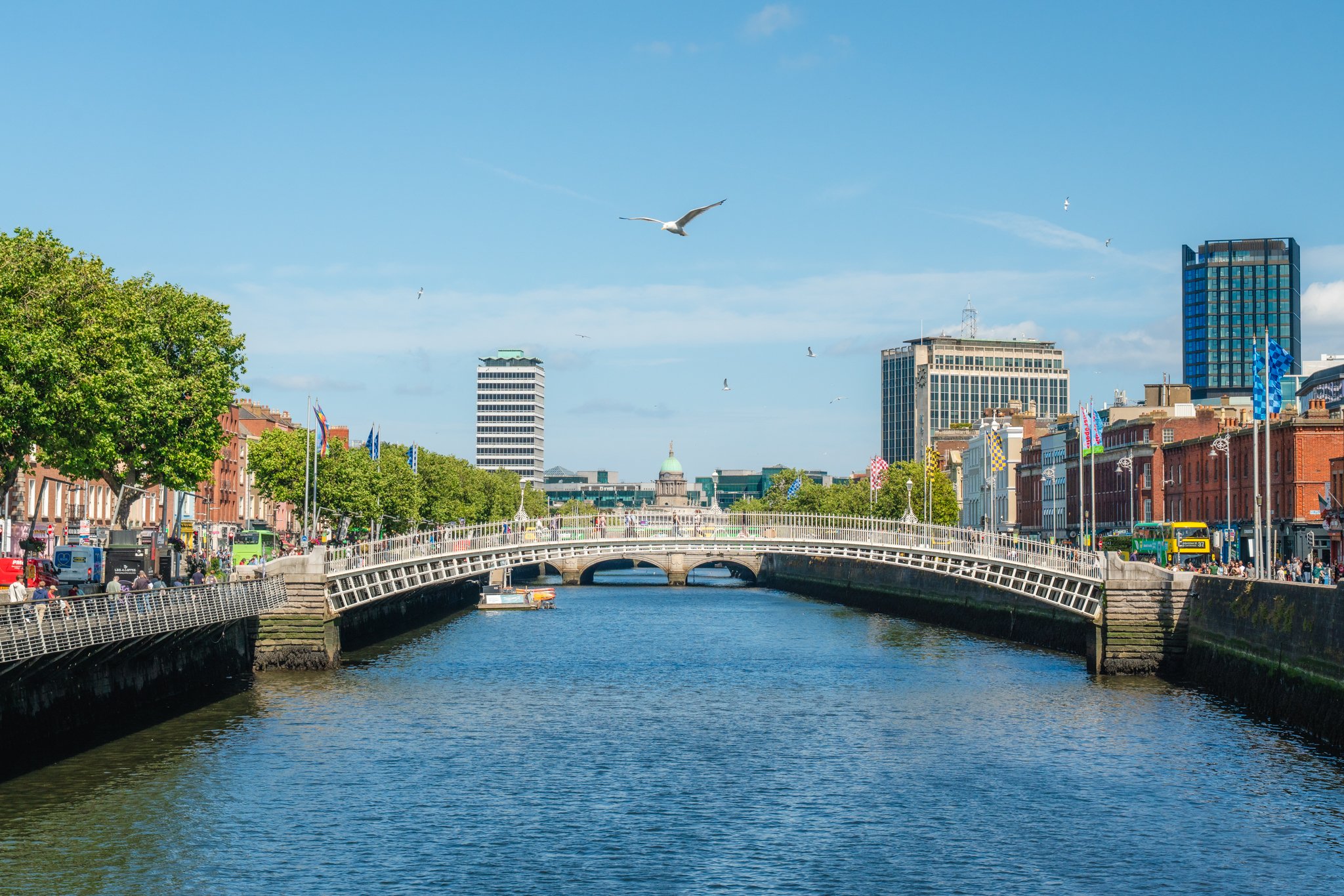
Wondering where to stay in Dublin? Discover the best neighborhoods and my favorite hotels for every budget, plus essential tips for visiting Ireland’s capital!
Dublin is one of those cities that absolutely enchants you! One minute you’re wandering cobblestone lanes past brightly painted Georgian doors, and the next you’re tucked into a centuries-old pub with a pint of Guinness in hand and live trad music filling the room. It’s compact, walkable, endlessly friendly – and trust me, where you base yourself makes a HUGE difference to your trip! And my qualifications? I’ve already been there four times!
Dublin is also one of the pricier capitals in Europe for accommodation and hotels can get quite limited in high season, so picking the right neighborhood (and booking early!) matters more here than in most cities. Stay too far out and you’ll spend your trip on buses – stay in the wrong corner of Temple Bar and you’ll be listening to stag parties until 3 AM.
So I’ve rounded up the best areas to stay in Dublin plus my favorite hotels for every budget – three budget stays, three mid-budget stays, and three luxury stays – along with everything you need to know before you go. Whether you’re a solo traveler looking to meet people or you’re ready to splurge on a bucket-list stay, I’ve got you covered!

Disclaimer: This blog post may contain affiliate links, which means I get a small commission if you click the link and make a purchase – at no extra cost to you! I only share things I genuinely love and think my audience would love too! This is one of the ways I’m able to keep making these free resources and guides for you. Thank you so much for your continued support! Learn more about my affiliate policy here.
Quick Picks: My Favorite Hotels in Dublin
💰 Budget
- Latroupe Jacobs Inn – Dublin’s top-rated hostel, with cozy private pod beds and a social bar steps from the main bus and train stations. My top pick for solo travelers!
- Generator Dublin – A stylish, social hostel in Smithfield right next door to the Jameson Distillery, with both dorms and private rooms.
- The Hendrick Smithfield – A street-art-filled boutique hotel with compact rooms and some of the best-value private stays in the city.
💰💰 Mid-Budget
- The Dean Dublin – A fun, design-forward hotel on Harcourt Street with a rooftop bar and restaurant overlooking the city.
- The Alex – A sleek, quiet stay near Merrion Square and Trinity College – perfect if you want style AND a good night’s sleep.
- Zanzibar Locke – Gorgeous apartment-style rooms with kitchens right on the River Liffey, a few steps from the Ha’penny Bridge.
💰💰💰 Luxury
- The Merrion – Dublin’s most elegant five-star, set in restored Georgian townhouses with a spa, pool, and private gardens.
- The Shelbourne – THE grand dame of Dublin, overlooking St. Stephen’s Green since 1824 – do not miss afternoon tea here!
- The Westbury – Polished five-star luxury just off Grafton Street, in the most walkable location in the city.

What to Know Before Visiting Dublin, Ireland
📍 Where is Dublin?
Dublin is the capital of the Republic of Ireland, sitting on the country’s east coast where the River Liffey meets Dublin Bay. The Liffey splits the city into the Northside and the Southside, and most of what you’ll want to see is within a 20–30 minute walk of the river.
It’s also the main gateway to the rest of Ireland – the Wicklow Mountains, the fishing village of Howth, and even the Cliffs of Moher are all doable as day trips!
🌤️ When to Visit Dublin
The best time to visit Dublin is May through September, when the days are long (it stays light until nearly 10 PM in June!) and the weather is at its mildest. That said, summer is also the busiest and most expensive time – hotel prices jump on weekends and around big concerts and sporting events.
My top tip – aim for the shoulder season in April, May, September, or early October for fewer crowds and better hotel rates. Winter is chilly and damp but SO cozy, and Dublin’s pubs were basically made for rainy days.
One thing to know – prices skyrocket around St. Patrick’s Day (March 17). If you want to be there for the festivities, book MONTHS in advance. And no matter when you go – pack a rain jacket – trust me!
🗓️ How Long to Visit Dublin
I’d highly recommend 2–3 days in Dublin to cover the highlights – Trinity College and the Book of Kells, the Guinness Storehouse, Dublin Castle, St. Patrick’s Cathedral, Kilmainham Gaol, and plenty of pub time – without rushing.
If you have 4–5 days, add a day trip or two. Howth and its cliff walk are only about 30 minutes away by train, and Glendalough in the Wicklow Mountains is an easy full-day tour.
✈️ How to Get to Dublin
A huge perk for my fellow Americans – Dublin Airport has US Preclearance, so you clear US customs and immigration BEFORE your flight home and land as a domestic arrival. Just give yourself extra time at the airport!
There is no train or tram to the airport, so your options into the city are:
- Express coach (Dublin Express or Aircoach) – The easiest option. Runs frequently from both terminals, takes around 30–45 minutes, and costs roughly €8–10 one way.
- Dublin Bus (routes 16 and 41) – The cheapest option at about €2 with a Leap Card, but slower with more stops.
- Taxi – Around €25–40 depending on traffic and time of day. Great if you’re arriving late or splitting the fare.
You can also arrive by ferry from Wales (Holyhead) or by train from Belfast, which pulls into Connolly Station.
🚶♀️ How to Get Around Dublin
Dublin is wonderfully walkable – if you stay central, you can reach nearly everything on foot. For everything else:
- Luas – The tram system, with two lines (Red and Green) crossing the city. Handy for Smithfield, the Guinness Storehouse area, and Heuston Station.
- DART – The coastal train. Use it for day trips to Howth, Dún Laoghaire, and Dalkey.
- Dublin Bus – Covers the whole city. Note that drivers only take exact change in coins, so a card is much easier.
- Leap Visitor Card – Unlimited travel on buses, Luas, and DART for 1, 3, or 7 days. Worth it if you plan to use transit a few times a day.
- Taxis – Download the FREE NOW app – it’s what locals use. Uber works in Dublin but only books licensed taxis.
Skip the rental car while you’re in the city – parking is expensive and you won’t need it. Pick one up on your way OUT of Dublin if you’re road-tripping Ireland or doing a day trip (or take a bus!)
🗣️ What Is the Language Spoken in Dublin?
English is the main language spoken in Dublin. Irish (Gaeilge) is the country’s first official language, so you’ll see it on street signs, buses, and public buildings alongside English.
One word to learn before you go – “Sláinte!” (pronounced slawn-cha), which means “cheers!”
💶 What Is the Currency in Dublin?
Dublin uses the Euro (€). Cards and contactless payments are accepted almost everywhere – I’d still carry a little cash for small pubs, markets, and tips.
Keep in mind that Northern Ireland uses the British Pound (£), so if you’re adding Belfast or the Giant’s Causeway to your trip, you’ll need a different currency there.
Tipping isn’t expected the way it is in the US – 10–15% at sit-down restaurants for good service is appreciated, and there’s no need to tip at the bar.

Best Areas/Neighborhoods to Stay in Dublin
Dublin is compact, but each neighborhood has a totally different feel. Here are the best areas to stay in Dublin and who each one is best for!
St. Stephen’s Green & Grafton Street – Best for First-Time Visitors
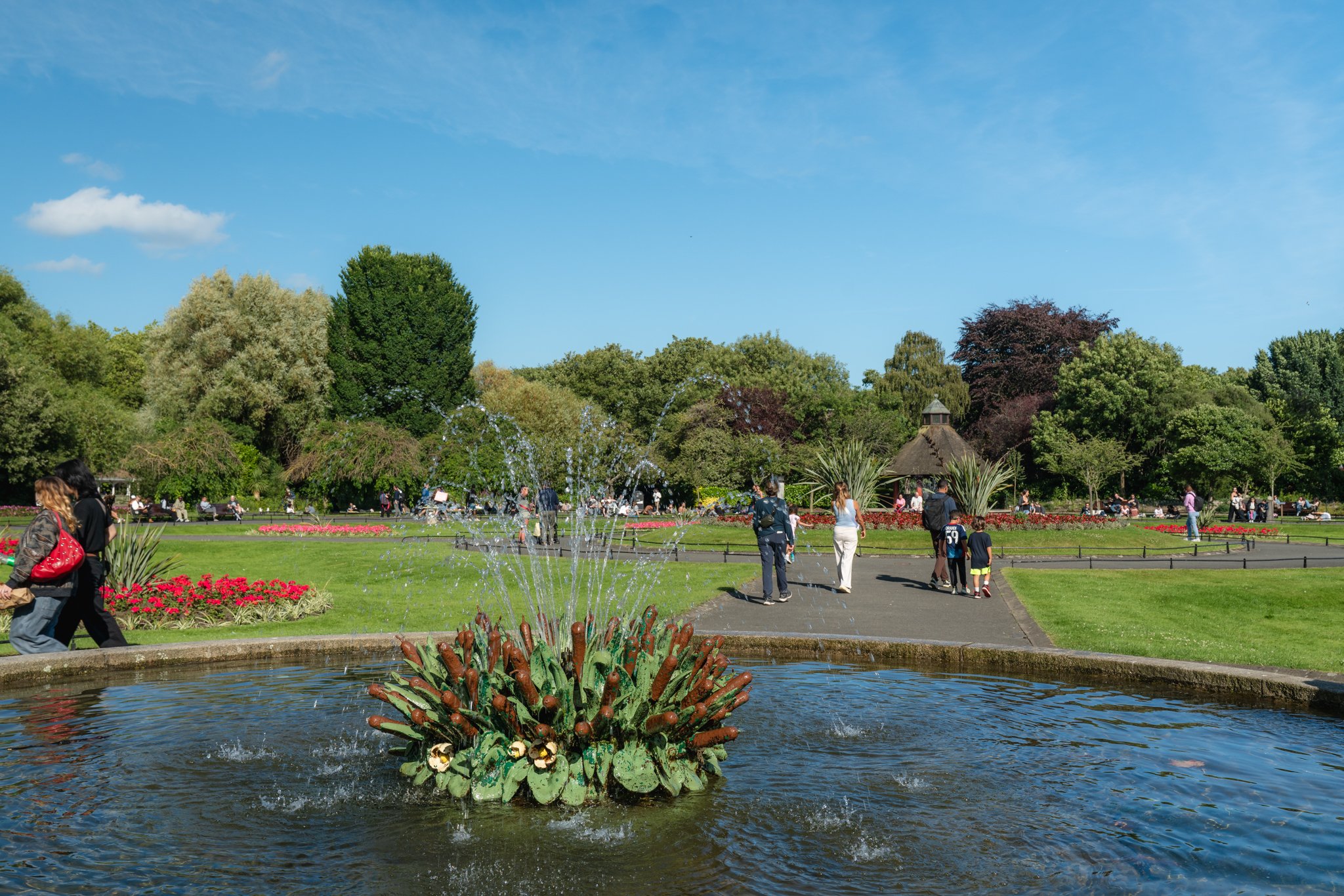
This is the heart of the Southside and my top pick for first-timers. You’re a short walk from Trinity College, the National Gallery, Dublin Castle, and the city’s best shopping on Grafton Street, with the leafy St. Stephen’s Green right on your doorstep. It’s polished, safe, and central – and it’s where you’ll find most of Dublin’s luxury hotels. The trade-off is price – this is the most expensive area in the city.
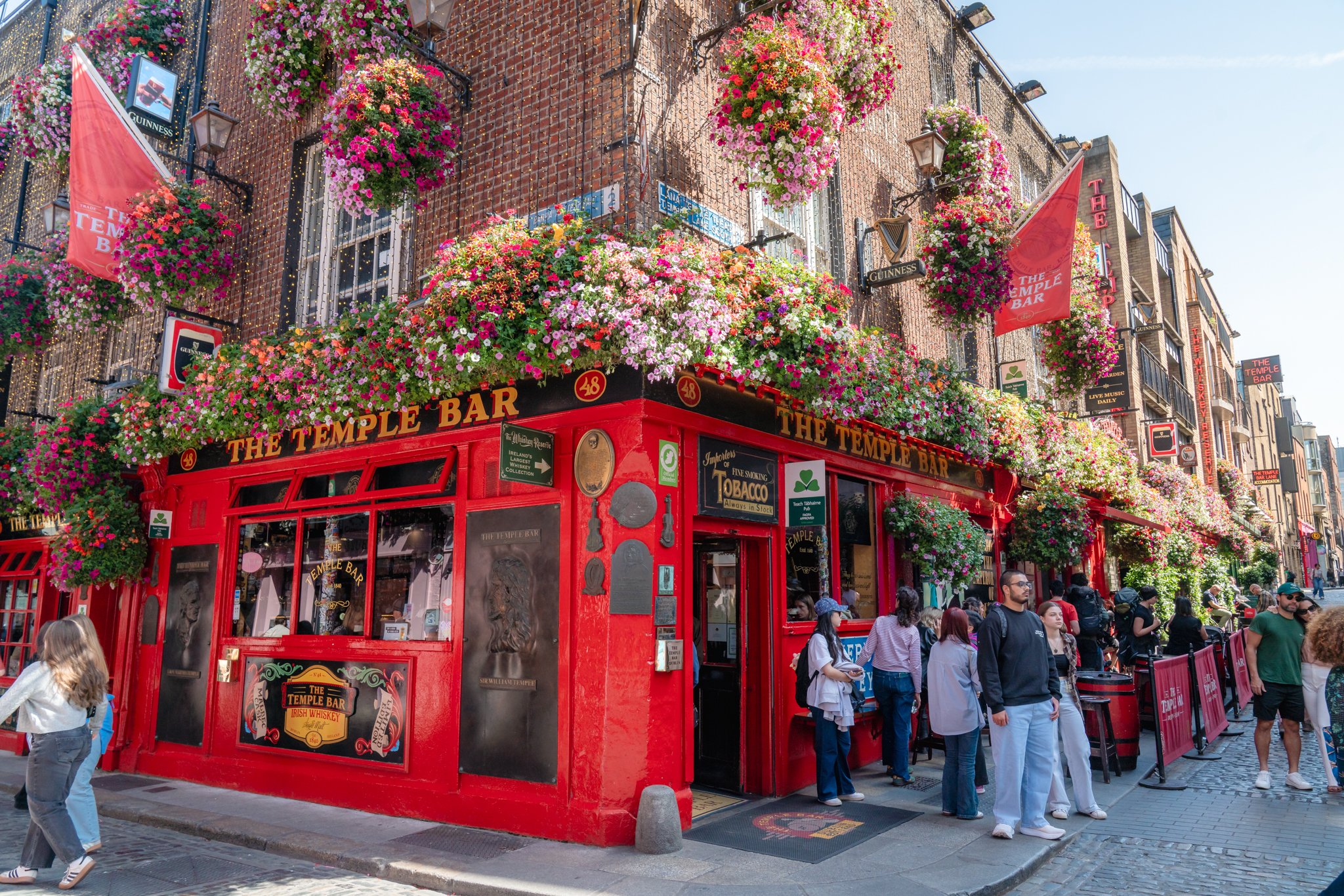
Temple Bar – Best for Nightlife
Temple Bar is Dublin’s famous cobblestoned pub district, packed with live music, colorful pub fronts, and energy that goes late into the night. It’s as central as it gets, and it’s a must-see – for a good reason!
But here’s my honest take – it’s LOUD, the pints are the most expensive in the city, and it’s very touristy. I’d highly recommend visiting for an evening and sleeping somewhere a few blocks away. If you do stay here, ask for a room facing away from the street and pack earplugs.
Merrion Square & Georgian Dublin – Best for a Quiet, Elegant Stay
Just east of St. Stephen’s Green, this is the Dublin of grand Georgian townhouses, colorful doors, and museums. It’s quiet at night, beautiful to walk around, and still only 10–15 minutes on foot from Trinity College and Grafton Street. This is a wonderful choice for solo female travelers who want a calm, safe base that’s still close to everything.
Smithfield & Stoneybatter – Best for Budget & Local Vibes
On the Northside, Smithfield is a former market square turned creative neighborhood, home to the Jameson Distillery and The Cobblestone – one of the best traditional music pubs in Dublin. Next door, Stoneybatter is full of independent cafés, restaurants, and proper local pubs. You’ll get MUCH better value here than south of the river, and the Luas Red Line gets you into the center in minutes (or it’s a 15–20 minute walk).
Portobello & Camden Street – Best for Foodies
South of St. Stephen’s Green, Portobello runs along the Grand Canal and is where Dubliners actually go to eat and drink. Camden Street and Harcourt Street are lined with some of the city’s best restaurants, brunch spots, cocktail bars, and late-night venues.
It’s lively on weekends, so light sleepers should ask for a quiet room.
The Docklands (Grand Canal Dock) – Best for Modern Stays
Dublin’s sleek, modern waterfront district is full of glass buildings, tech HQs, and contemporary hotels. It’s quiet in the evenings and close to the 3Arena and the Bord Gáis Energy Theatre – ideal if you’re in town for a concert or show.
It has less of that classic Dublin character, and it’s about a 20–25 minute walk to the main sights.
O’Connell Street & the North City Centre – Best for Transport Links
The area around O’Connell Street puts you next to the airport coaches, Connolly Station, and Busáras (the central bus station) – super convenient if you’re arriving late, leaving early, or taking day tours. It’s also where you’ll find many of Dublin’s best hostels and budget hotels. Like any big-city transport hub, it can feel a little rough around the edges at night. Stick to the main, well-lit streets after dark and you’ll be fine.
My Favorite Hotels in Dublin
Now for the good stuff! These are my favorite places to stay in Dublin, broken down by budget. Dublin hotel prices swing a LOT depending on the season and day of the week, so I’ve included rough price ranges to help you plan – always check your exact dates.
Best Budget Stays in Dublin
Dorm beds from around €25–50 per night and budget private rooms from around €100–180, depending on the season.
Latroupe Jacobs Inn ⭐⭐
Jacobs Inn is consistently rated one of the best hostels in Dublin – and all of Ireland – for a good reason! Instead of creaky bunk beds, the dorms have cozy pod beds with privacy curtains, reading lights, and outlets, so you actually get your own little space.
There’s an on-site bar and restaurant that makes it SO easy to meet other travelers, plus female-only dorms and private rooms if you want more privacy. It’s right by the main bus and train stations, which is ideal for early day tours and airport runs.
Best for: Solo travelers, first-time hostel stayers, and anyone on a tight budget.
Generator Dublin ⭐⭐
Generator is a design-forward hostel on Smithfield Square, right next door to the Jameson Distillery. The common areas are stylish and social, with a lively bar, regular events, and plenty of spots to hang out.
You can choose from mixed and female-only dorms or private en-suite rooms, which are some of the more affordable private rooms in the city. The Luas Red Line stops right outside, and it’s about a 15-minute walk to Temple Bar.
Best for: Social travelers and friend groups who want hostel prices with a hotel feel.
The Hendrick Smithfield ⭐⭐⭐
If hostels aren’t your thing, The Hendrick is my top pick for an affordable private room. It’s known as Dublin’s street art hotel – the walls are covered in work by Irish and international street artists, so the whole place feels like a gallery!
The rooms are compact (the smallest are designed for short stays) but modern, clean, and smartly laid out, with a fun bar downstairs. You’re steps from The Cobblestone pub for trad music and the cafés of Stoneybatter.
Best for: Couples and solo travelers who want a private room without the city-center price tag.
Best Mid-Budget Stays in Dublin
Rooms from around €180–300 per night, depending on the season.
The Dean Dublin ⭐⭐⭐⭐
The Dean is one of the coolest hotels in Dublin – a boutique stay with bold artwork, record players and Smeg fridges in the rooms, and a rooftop bar and restaurant (Sophie’s) with wraparound views over the city.
It’s a 5-minute walk to St. Stephen’s Green and surrounded by some of Dublin’s best bars and restaurants on Camden Street. My top tip – Harcourt Street is a nightlife hub, so if you’re a light sleeper, request a quiet room on a higher floor or at the back.
Best for: Couples, friend trips, and anyone who wants a stylish, lively base.
The Alex ⭐⭐⭐⭐
The Alex is a sleek, modern hotel tucked on a quiet street near Merrion Square, the National Gallery, and Trinity College. The rooms are contemporary and comfortable, and there’s a great café, a restaurant and bar, and a well-equipped gym on site.
What I love most is the location – you’re within walking distance of everything, but it’s calm and peaceful at night. It’s also close to Pearse Station for DART day trips to Howth and the coast!
Best for: Solo female travelers and anyone who wants style and a good night’s sleep.
Zanzibar Locke ⭐⭐⭐⭐
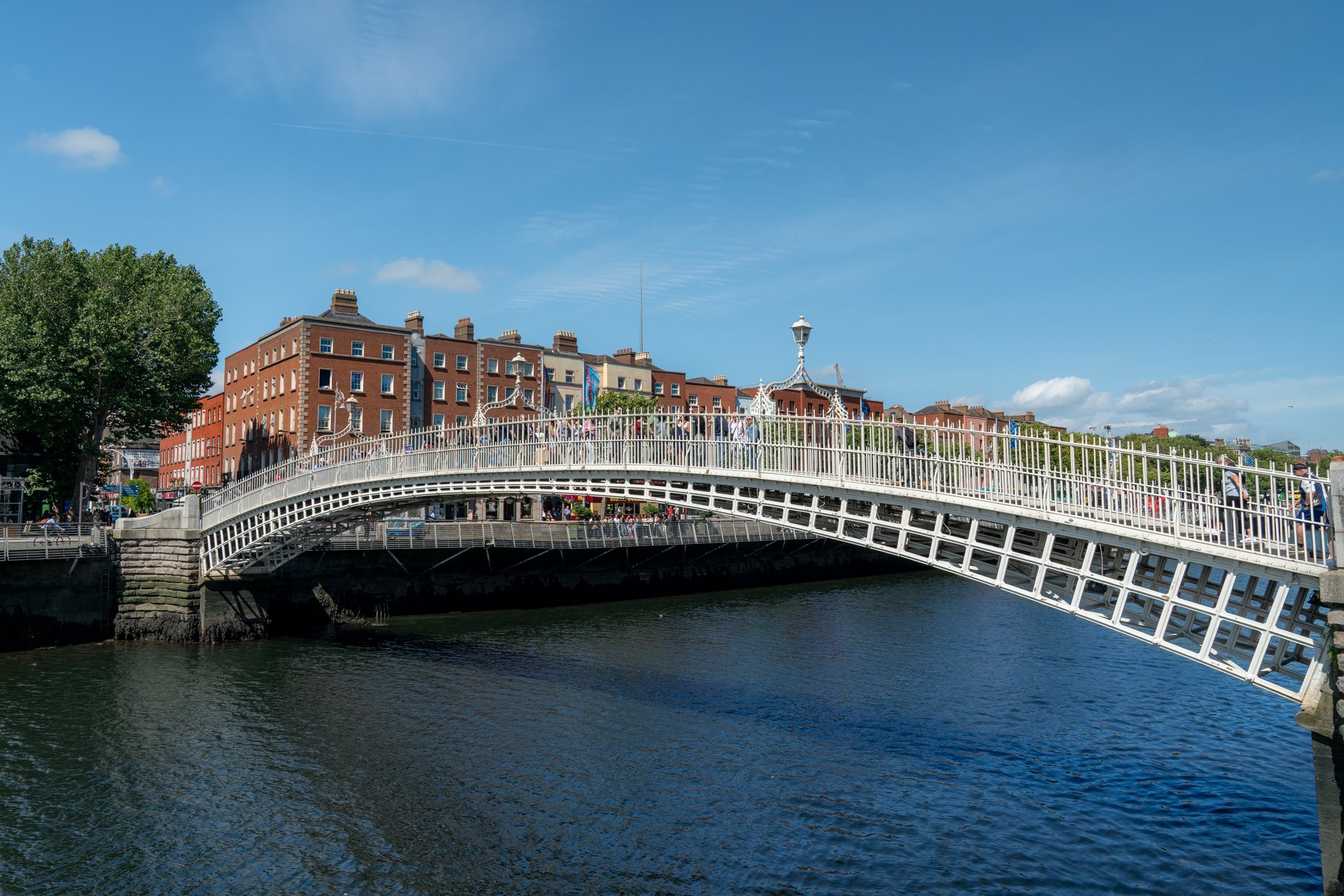
Zanzibar Locke is an aparthotel right on the River Liffey, a few steps from the iconic Ha’penny Bridge and just across the water from Temple Bar. Every room is a beautifully designed studio or suite with its own kitchen and living space.
Having a kitchen is an amazing way to save money in a pricey city, and it makes this one perfect for longer stays or working remotely. There’s also a café, a bar, a gym, and co-working space on site.
Best for: Longer stays, digital nomads, and travelers who want apartment-style space in the center.
Best Luxury Stays in Dublin
Rooms from around €400–700+ per night, depending on the season.
The Merrion Hotel ⭐⭐⭐⭐⭐
The Merrion is widely considered the finest hotel in Dublin, and it’s a true bucket-list stay. It’s set across four restored Georgian townhouses with peat fires in the drawing rooms, private gardens, and one of the most important private art collections in Ireland.
There’s a gorgeous spa with a pool, and the hotel is home to Restaurant Patrick Guilbaud – one of Ireland’s most celebrated fine-dining restaurants. Do not miss the Art Tea, an afternoon tea with pastries inspired by the paintings on the walls!
Best for: Special occasions, honeymoons, and travelers who want classic, quiet luxury.
The Shelbourne, Autograph Collection ⭐⭐⭐⭐⭐
The Shelbourne is THE grand dame of Dublin. It has overlooked St. Stephen’s Green since 1824, and the Irish Constitution was drafted right here in 1922 – so you’re literally sleeping inside a piece of Irish history.
Expect chandeliers, marble, and old-world glamour, plus a spa with a pool and the legendary Horseshoe Bar. Afternoon tea in the Lord Mayor’s Lounge is a Dublin institution – even if you don’t stay here, I’d highly recommend booking it!
Best for: History lovers and anyone who wants the most iconic address in the city.
The Westbury ⭐⭐⭐⭐⭐
If location is your top priority, The Westbury is the one. It sits just off Grafton Street, right between Trinity College and St. Stephen’s Green, so the best shopping, restaurants, and sights in Dublin are all within a few minutes’ walk.
Inside it’s polished and contemporary, with elegant rooms, a beautiful lounge for afternoon tea overlooking the street below, and fantastic on-site restaurants and a cocktail bar.
Best for: Shoppers, first-time visitors, and travelers who want five-star luxury in the most walkable spot in Dublin.
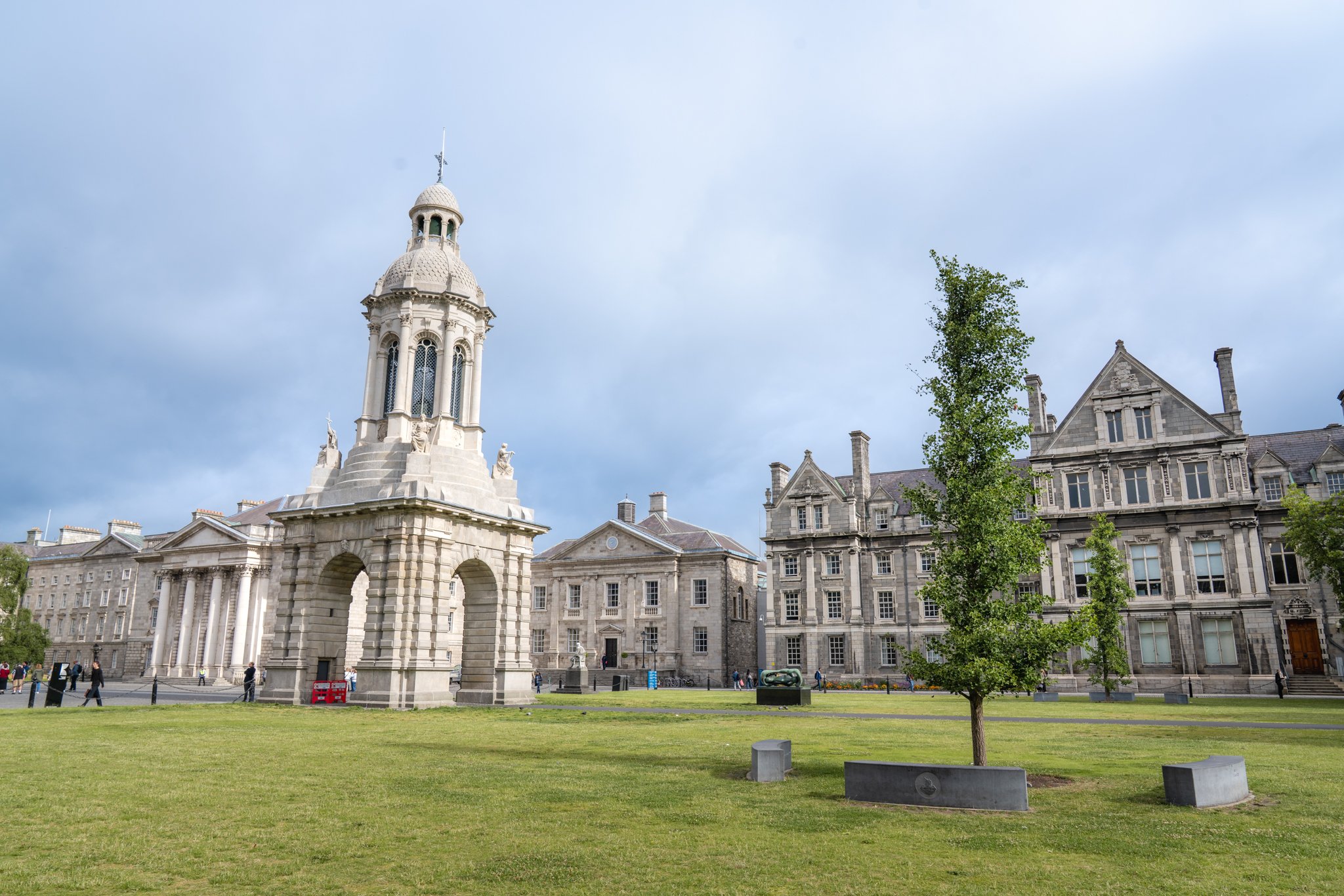
Tips for Visiting Dublin
1. Book Your Accommodation EARLY
Dublin doesn’t have enough hotel rooms for how popular it is, so prices climb fast – especially on weekends, in summer, and whenever there’s a big concert or match in town. Book as far ahead as you can, and choose a free-cancellation rate so you can rebook if prices drop.
2. Visit Midweek If You Can
Sunday through Thursday nights are often dramatically cheaper than Fridays and Saturdays. If your dates are flexible, a midweek stay can save you enough for a nicer hotel!
3. Reserve the Big Attractions in Advance
The Book of Kells, the Guinness Storehouse, and especially Kilmainham Gaol sell out – Kilmainham tickets can disappear weeks ahead in summer. Book online before you go.
4. Go Beyond Temple Bar for a Pint
See Temple Bar, snap your photo, and then head to the pubs where locals actually drink. Try Kehoe’s, The Long Hall, or The Palace Bar on the Southside, or The Cobblestone in Smithfield for live traditional music. Your wallet will thank you!
5. Take Advantage of the FREE Museums
So many of Dublin’s best museums are completely free, including the National Gallery of Ireland, the National Museum of Ireland, and the Chester Beatty. They’re perfect for a rainy afternoon – and you WILL get a rainy afternoon.
6. Pack Layers and a Rain Jacket
Irish weather can cycle through all four seasons in one day, even in July. A waterproof jacket and comfortable, water-resistant walking shoes are non-negotiable.
7. Bring the Right Adapter
Ireland uses the Type G three-prong plug (the same as the UK) – NOT the standard European plug. Bring a Type G adapter or a universal one.
8. Solo Female Travel in Dublin
Dublin is a friendly, welcoming city and a great destination for solo female travelers. Use the same street smarts you would in any big city – keep an eye on your bag in crowded pubs and on public transport, stick to well-lit main streets at night (particularly around O’Connell Street and the north quays), and grab a taxi through the FREE NOW app if you’re heading home late.
9. Get Out of the City for a Day
Do not miss a day trip! Hop on the DART to Howth for the cliff walk and fresh seafood, or book a tour to Glendalough and the Wicklow Mountains.
And there you have it – where to stay in Dublin for every budget!
If it’s your first visit, you can’t go wrong basing yourself around St. Stephen’s Green and Grafton Street. If you’re watching your budget, head across the river to Smithfield. And if you’re ready to treat yourself, Dublin’s historic five-star hotels are some of the most special in Europe.
Wherever you stay, Dublin has a way of making you feel right at home – and I have a feeling you’ll be planning your return trip before you’ve even left. Which Dublin neighborhood are you leaning toward? Let me know in the comments – and if you have any questions about planning your trip, I’m always happy to help!
Plan Your Puerto Rico Trip
🏠️ Accommodation: Use Booking.com for flexible cancellation options and best hotel options.
🚗Car Rental: Book through Discovercars.com for the best rates.
🎫 Activities: Pre-book Dublin tours online to avoid queues. Always book early so they don’t sell out – I love using GetYourGuide for their 24-hour free cancellation policy.
🌍 Travel Insurance: do not skip travel insurance for Ireland – I always recommend World Nomads for adventure travelers and SafetyWing for digital nomads.
📱 eSIM: Always stay connected by using an eSIM! You’ll have access to data WITHOUT having to spend a ton on your at-home plan, change your number, or buy a physical sim. My favorites are Airalo for affordable plans (save with my code “REBECCA3” for $3 off your first eSIM) and Holafly for unlimited data (use my code “ROAMFREEREBECCA” to save 5% on any plan!).
Related Adventures
Pin this blog!


More adventures

Best Christmas Markets in Bratislava, Slovakia: A Complete Guide to Europe’s Most Underrated Christmas City
Everything you need to know before visiting the Christmas markets in Bratislava – from 2026 dates and what to eat to where to stay and my top tips!If you're dreaming of a European Christmas market trip WITHOUT the elbow-to-elbow crowds and Vienna-level prices, let me...

Vienna Christmas Markets: The 9 Best Markets + Everything You Need to Know
Everything you need to know to plan the most magical trip to the Vienna Christmas Markets – from the best markets to visit, to 2026 dates, what to eat, where to stay, and my insider tips!Picture this: twinkling lights strung across imperial palaces, the smell of...

Hey I’m Rebecca!
I’m a travel & outdoors photographer, blogger, and content greator living in the US but you can find me adventuring around the globe! On this blog I share tips to help you improve your photography, inspiration and advice to explore the outdoors, destination guides, travel tips, and more to plan your own adventures!
Categories
Photography
Destinations
Travel
National Parks
Recent posts

The Ultimate Guide to the Christmas Markets in Budapest Hungary for an Enchanting Holiday Trip
Twinkling lights, mulled wine, chimney cakes, and a light show on a 120-year-old basilica – here's everything you need to plan the most magical holiday trip to Budapest including local & insider tips!If you've ever dreamed of a fairytale Christmas in Europe, let...
Best Christmas Markets in Bratislava, Slovakia: A Complete Guide to Europe’s Most Underrated Christmas City
Everything you need to know before visiting the Christmas markets in Bratislava – from 2026 dates and what to eat to where to stay and my top tips!If you're dreaming of a European Christmas market trip WITHOUT the elbow-to-elbow crowds and Vienna-level prices, let me...
Vienna Christmas Markets: The 9 Best Markets + Everything You Need to Know
Everything you need to know to plan the most magical trip to the Vienna Christmas Markets – from the best markets to visit, to 2026 dates, what to eat, where to stay, and my insider tips!Picture this: twinkling lights strung across imperial palaces, the smell of...


0 Comments